Free comparator without engagement. Quotes from experts throughout Canada.

Patrick Beaudette

Building Insulation R-Values Chart Explained – Spray Foam

If you are planning to insulate your home, you have likely encountered the term R-value more times than you can count.

It’s one of the most important things to know before deciding on the type of insulation, especially if you are considering spray foam, fibreglass, cellulose, or mineral wool.
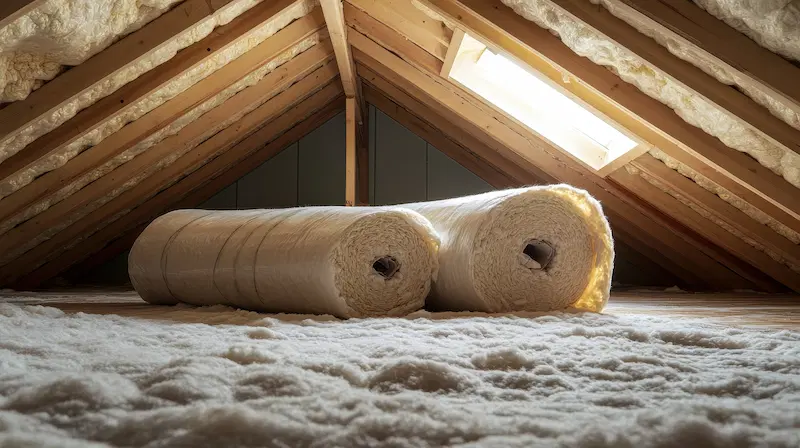
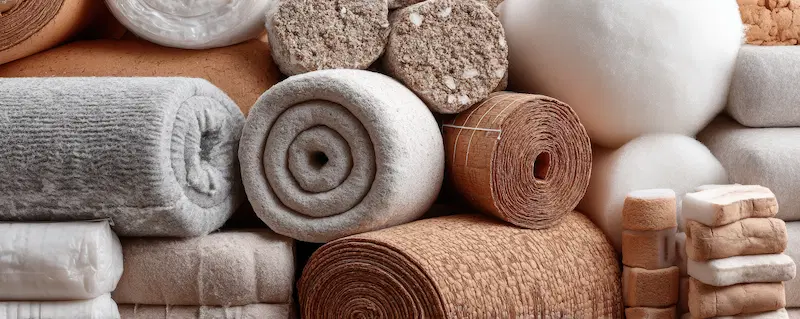
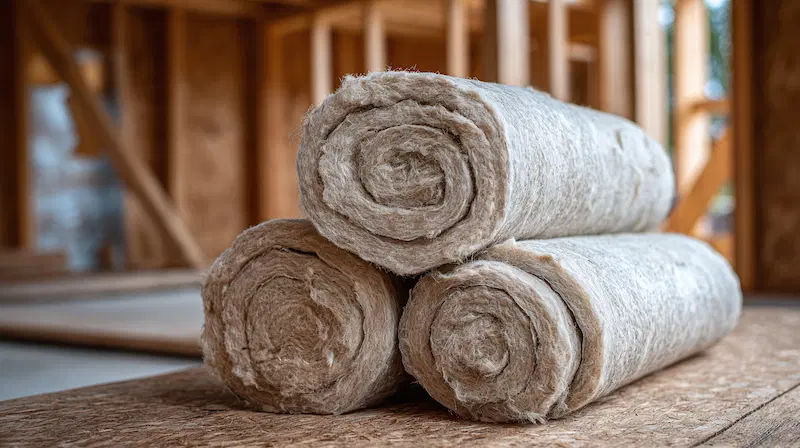
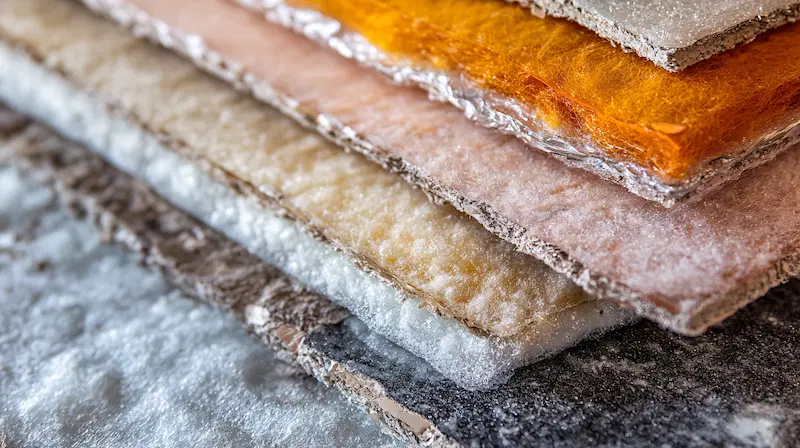
Rolls of home insulation materials in the attic

But what does R-value really mean, and how does spray foam insulation compare?

This means closed-cell spray foam delivers nearly double the insulating power of fibreglass per inch of thickness. It creates an airtight, moisture-resistant barrier that helps Canadian homes stay warmer in winter and cooler in summer, saving money on heating and cooling bills all year round.

Now let’s break it all down in more detail, including how R-values work, where spray foam fits on the insulation chart, and what R-value you actually need in your part of Canada.

R-Value Explained: Why is it Important?

R-value is a measure of thermal resistance, or how well a material resists the flow of heat. Higher R-values usually mean better insulation performance. In Canada’s cold climate, R-value isn’t just a technical specification; it’s the difference between a home that stays cozy and one that leaks heat and money.

Cozy home in Canadian winter

Here’s a simple rule of thumb:

However, not all R-values are created equal. Two different materials could have the same R-value, but if one allows drafts or moisture to penetrate, it is not as efficient in actual conditions. This is where spray foam excels—it combines high R-value with an airtight seal.

Typical R-Values for Common Insulation Types

Understanding R-value performance for each material is critical when choosing insulation products.  

Different insulation types like spray foam, fibreglass, cellulose, and mineral wool offer varying levels of thermal resistance, air sealing, and moisture protection. 

The chart below provides a quick comparison of typical R-values per inch, allowing you to see how spray foam compares to other insulation options commonly used in Canadian homes.

Type of InsulationR-Value per InchAir SealMoisture ResistanceIdeal Usage
Closed-Cell Spray FoamR-6.0 – R-7.0ExcellentExcellent
(water barrier)
Walls, ceilings, and foundation
Open-Cell Spray FoamR-3.5 – R-4.0ExcellentModerate
(air barrier only)
Attics, interior walls
Fibreglass battsR-2.9 – R-3.8PoorPoorAttics and walls
Blown-in celluloseR-3.2 – R-3.8GoodExcellent
(water resistant)
Attics and walls
Mineral wool
(Rockwool)
R-3.3 – R-4.2GoodExcellentBasements, walls, attics
Rigid Foam Board
(polyiso)
R-5.6 – R-6.5GoodExcellentExterior walls, roofs

Closed-cell spray foam insulation has the highest R-value of any mainstream material, making it a top choice for homeowners looking for premium efficiency and air sealing.

It functions similarly to a vapour barrier. It provides insulation and locks out air and moisture, preventing drafts, mould, and condensation. This is the reason for its popularity in areas exposed to the elements, like basements or rim joists in colder regions of Canada.

On the other hand, open-cell spray foam is more flexible and softer. It is also good for soundproofing.

It is ideal to use when air sealing is necessary but moisture control is less critical, such as in attic rafters or interior partitions.

What R-Value Does Your Home Need in Canada?

Canada’s building code requirements vary by province and climate zone. Generally, colder regions like Alberta, Manitoba, and the Prairies require higher R-values than milder coastal provinces like British Columbia.
Refer to the quick guide below for recommended R-values for Canadian homes:

Part of Home

Recommended R-Value

Average Insulation Thickness
(Closed-Cell Spray Foam)

Attic/Roof

R-50 to R-60

8 to 10 inches

Exterior Walls

R-20 to R-25

3 to 4 inches

Basement Walls

R-12 to R-20

2 to 3 inches

Rim Joists

R-10 to R-20

2 to 3 inches

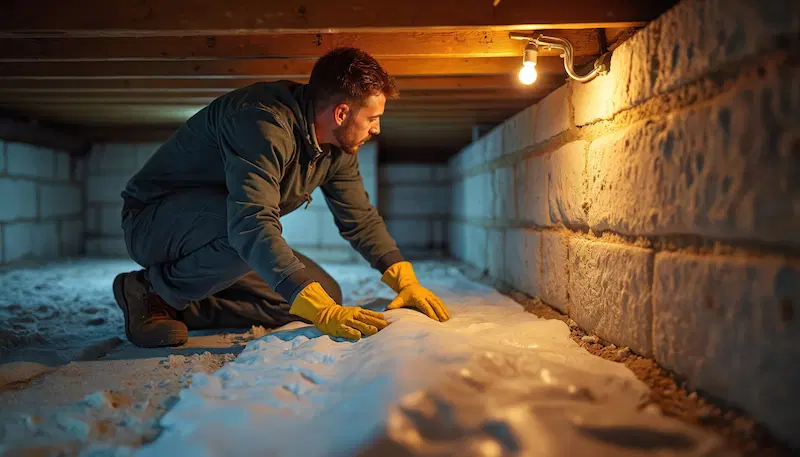
Floors above the crawl space

R-20

3 inches

**The values indicated above are approximate and can vary based on local building codes and building conditions.

If you’re unsure of the right R-value for your home, consult an insulation contractor to assess your space and climate zone. He can recommend the right product and thickness to get the best results.

Fill out the form on this page to connect with reputable insulation contractors in your area at no cost.

How Spray Foam Improves Insulation Performance

Many homeowners mistakenly believe that insulation performance relies only on R-value. In reality, air leaks, humidity, and the quality of installation all affect insulation performance.
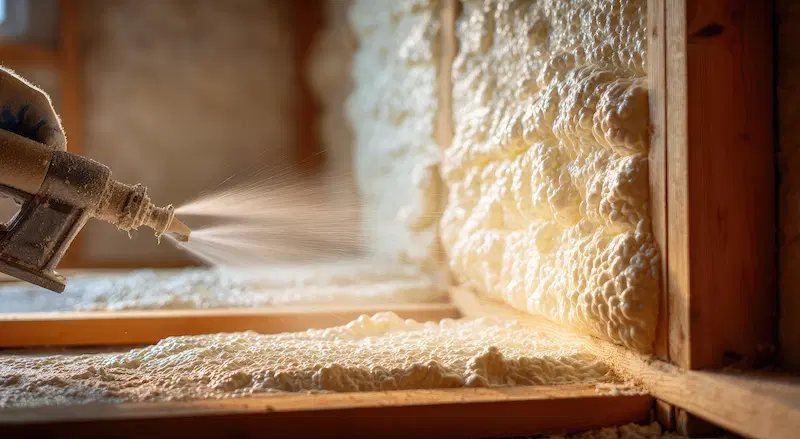
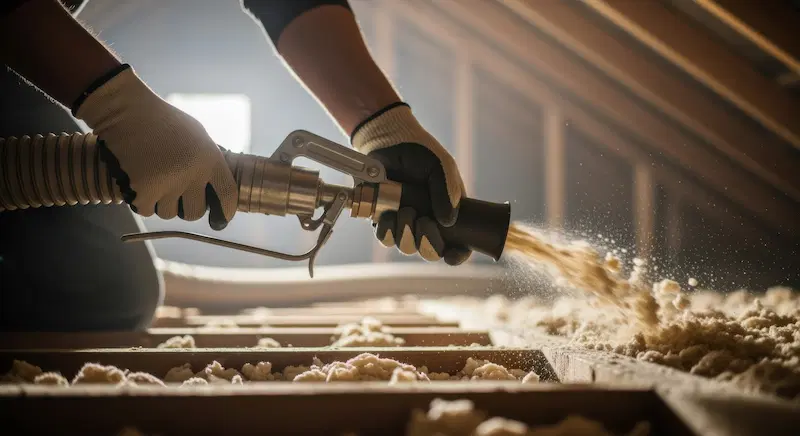
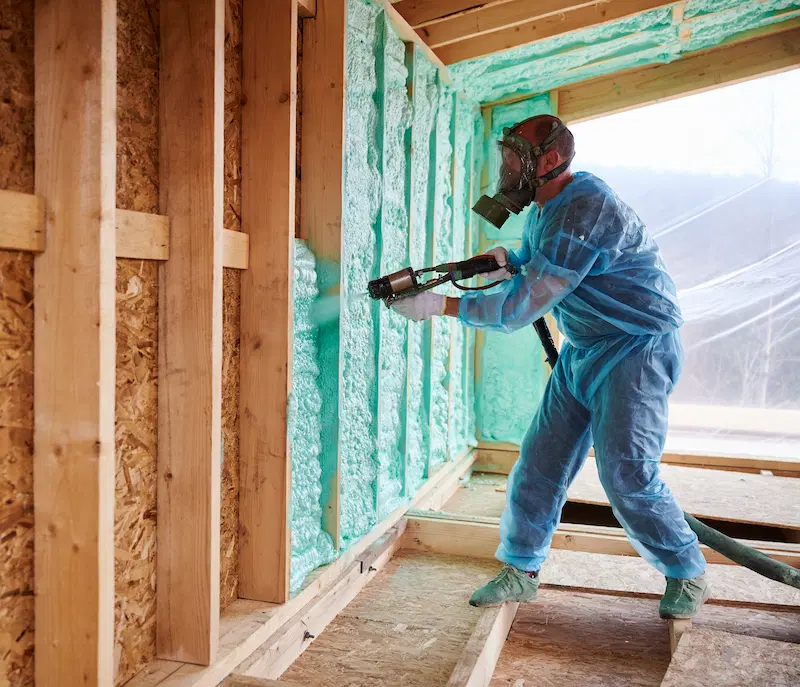
Application of spray foam insulation

Spray foam’s advantage lies in its airtight seal. Unlike fibreglass or cellulose, which can shift, settle, or allow drafts through gaps, spray foam expands to fill even the smallest cracks. 

This means:

You can think of it as wrapping your home in a seamless thermal blanket.

So while R-value matters a lot, what really counts is how insulation performs day after day. Spray foam delivers both the high R-value and the airtight seal, ensuring your comfort and generating energy savings that cheaper materials cannot provide.

Understanding Effective R-Value

Even though two materials may have the same nominal R-value, their effective R-value in real-life conditions can differ drastically.

For instance:

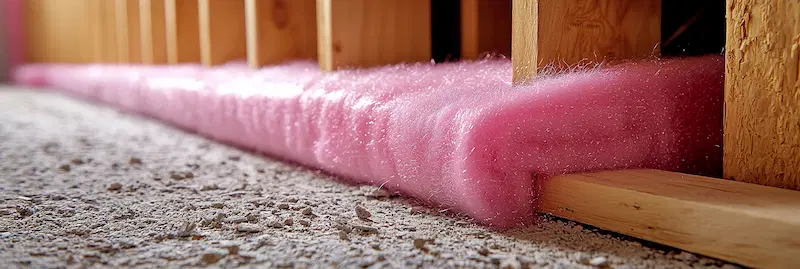
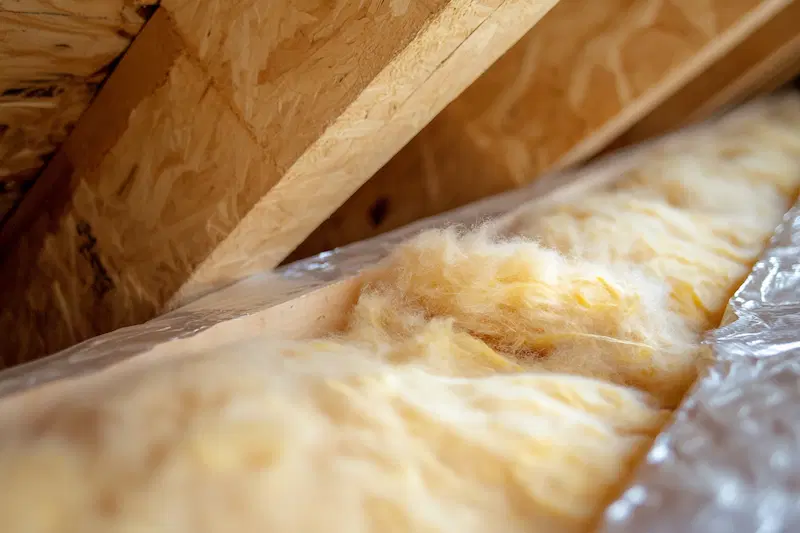
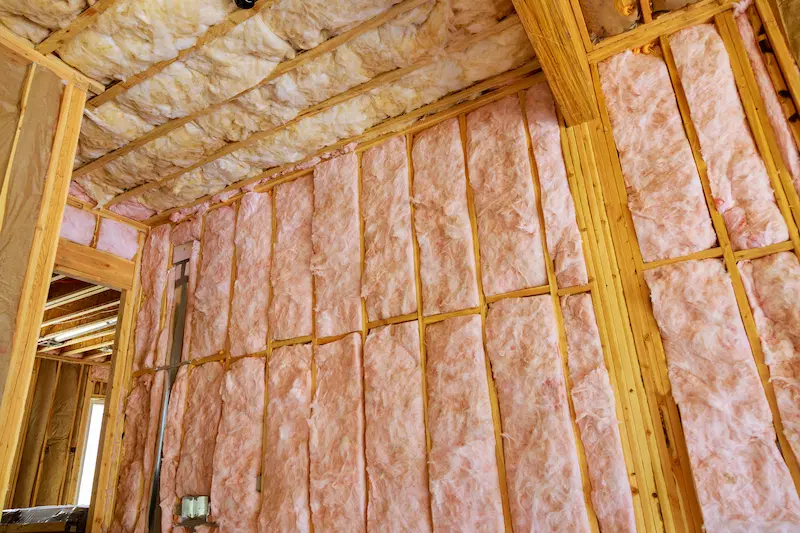
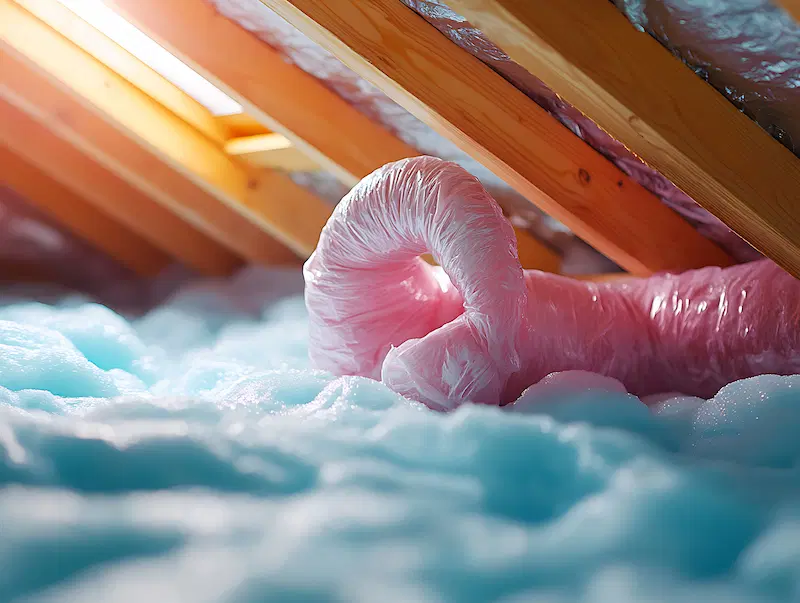
Pink fiberglass insulation on a building frame

So while R-6 spray foam and R-6 fibreglass may look equal on paper, the actual performance of spray foam in your home will be significantly higher.

Spray Foam vs. Other Insulation Types in Canada

1. Spray Foam vs. Fibreglass

Fibreglass is affordable and easy to install, but it’s prone to gaps and air leaks. It also loses R-value when it gets damp. Spray foam, while pricier upfront, seals and insulates in one step and lasts much longer.

2. Spray Foam vs. Cellulose

Cellulose is eco-friendly and provides a decent R-value, but it can settle over time, reducing its performance. Spray foam doesn’t settle and resists moisture.

3. Spray Foam vs. Rockwool

Rockwool (mineral wool) is effective for fire resistance and soundproofing. However, its R-value per inch is lower. Many contractors use spray foam in combination with Rockwool for a balanced system.
Cost of Spray Foam Insulation in Canada

Cost is the biggest reason why homeowners hesitate about using spray foam insulation, but it is important to consider it as a long-term investment.

Here are the average costs of spray foam insulation:

Type of Spray Foam

Average Cost with installation

R-value Per Inch

Typical Uses

Open-cell spray foam

$1.50 – $2.50 per square foot

R-3.5 – R-4

Attics, ceilings

Closed-cell spray foam

$2.50 – $4.50 per square foot

R-6 – R-7

Walls, basements, crawl spaces

Spray foam insulation has a higher upfront cost than fibreglass or cellulose insulation. However, it can cut energy bills by 20–40% yearly and last over 50 years. In a few years, the cost of installing spray foam insulation would be offset by energy savings while you continue to benefit from its excellent performance.

When to Use Spray Foam

Spray foam is not always ideal for every insulation project but it does shine in specific applications:

For large attic retrofits or cost-sensitive projects, blown-in cellulose or fibreglass may still be good options, but combining them with a few inches of spray foam in key areas can provide the best results.

Can You Mix Insulation Types?

Yes, hybrid systems are common in Canada. Many contractors apply a thin layer of closed-cell spray foam to seal air and moisture, then add fibreglass or cellulose for additional R-value at a lower cost.

For Example:

This combination offers an optimal balance of cost and performance.

It is advisable to consult a reputable insulation contractor for expert advice tailored to your home, ensuring you get the best possible price.

To connect with our insulation partners in your city, just fill out the short online form on this page with NO OBLIGATION.

What is your Home’s Current R-Value?

Does your home feel drafty? Do rooms have varying temperatures? It is possible that your insulation is not at par with recommended R-values.

You can check your home’s current R-value by:

If your home falls below recommended levels, upgrading to spray foam can dramatically improve comfort and efficiency.

Get Free Quotes for Spray Foam Insulation

Before starting your insulation project, it’s worth comparing quotes from qualified spray foam installers in your area. Prices can vary depending on:

To make it easier, compare free quotes from local insulation contractors in your area using our short online form. It’s fast, obligation-free, and helps ensure you’re getting the best value for your money.

Best Soundproof Insulation for Homes: Rockwool and More Compared

Rockwool (also known as mineral wool) is the single best all-around insulation for reducing airborne noise and mid-to-high frequencies inside the home.  It has good fire resistance and has excellent acoustic absorption.

Other materials that do well include cellulose, fibreglass, spray foam, and Mass Loaded Vinyl.

With that said, no insulation by itself will fully soundproof a room. To maximize gains, you can combine mineral wool with ceiling assemblies, double drywall, or sealing gaps.

Cozy soundproof room for relaxing ambiance

We will guide you through the reasons why Rockwool is highly recommended, where other materials shine, and how to choose for best results for your home.

To save on your project, just complete the online form on this page to get FREE QUOTES!

Why Soundproof Insulation Matters

Whether you live in a busy city or a quiet suburb, unwanted noise can affect concentration, relaxation, and even health.

Street photo with residential apartments in a row

Traffic noise, barking dogs, loud TVs, and thin walls are all culprits of poor sound isolation.

Soundproof insulation not only blocks sound but also absorbs and dampens vibrations, thereby reducing how noise travels between walls, floors, and ceilings. When installed correctly, it can:

Insulation alone cannot fix weak structural or flanking paths. If the loudest path is a poorly sealed window, a rigidly connected floor joist, or a thin hollow door, filling the cavity will not solve the problem.  For this reason, professional soundproofing contractors recommend the full assembly: insulation, seals, mass, and decoupling together. 

Now let’s look at the best insulation types that deliver real results.

Why is Rockwool Insulation Highly Recommended?

Rockwool (mineral wool) acoustic products are designed for acoustic performance, and fire and thermal performance. 

It has higher density compare to standard fibreglass batts, which means it absorbs reverberant sound inside cavities and contributes to transmission loss when used properly in wall/ceiling floor assemblies.

The practical advantages of Rockwool insulation include:

So unlike other materials that just muffle sound, Rockwool actually stops sound vibrations in their tracks, creating a significant difference in the quiet and comfort of any room. 

Whether it’ is traffic, loud neighbors, or echoes within your walls, Rockwool delivers consistent noise reduction without the need for extra layers or complicated installation. Additionally, it offers benefits such as fire resistance, moisture control, and energy efficiency, making Rockwool a high-performing choice from every perspective.  

For homeowners and builders who want real, lasting soundproofing results, Rockwool is the clear winner. It’s not just insulation but a smart investment in peace, safety, and comfort that pays off for years to come.

Compare Rockwool with Other Insulation Types

While Rockwool is often regarded as the gold standard for soundproofing, it is not the only option available.

Each insulation material—fibreglass, cellulose, spray foam, and more—has its own strengths, weaknesses, and ideal uses. Some are cheaper and easier to install, while others excel at sealing air leaks or providing eco-friendly benefits.

In this section, we will evaluate how Rockwool compares with other popular insulation types, allowing you to clearly see where it excels and where another option would be more suitable for your space or budget.

Insulation

Noise Reduction Coefficient (NRC)

Ideal For

Fire Resistance

Moisture Resistance

Estimated Cost (per sq. ft.)

Rockwool

0.90–1.05

Bedrooms, studios, shared walls


Excellent (up to 1000°C)

High

$1.50–$2.50

Fibreglass

0.75-0.95

General use,
budget soundproofing

Good

Moderate

$0.50–$1.20

Cellulose

0.75–0.85

Older homes, eco-friendly projects

Fair

Moderate

$1.00-$2.00

Spray Foam
(Open-cell)

0.70–0.85

Sealing gaps, energy efficiency

Excellent

High

$2.00–$4.50

Acoustic Foam Panels

0.60–0.90

Echo reduction, studios

Poor

Low

$2.00-$4.00

Mass Loaded Vinyl

STC 55–65

Walls, floors, professional setups

Excellent

High

$2.50-$5.00

Rockwool consistently scores highest for sound absorption, fire resistance, and moisture protection, making it the most advantageous insulation for both residential and commercial use. 

While fibreglass and cellulose are cheaper, they cannot match Rockwool’s density and long-term durability.

If your priority is maximum soundproofing and comfort without constant maintenance, Rockwool remains the top performer overall.

Rockwool vs. Fibreglass for Soundproofing

We thought it would be good to directly compare Rockwool with fibreglass since these two are the most popular choices among homeowners.

When comparing them directly, the main difference lies in density and performance. Rockwool is denser; thus, it absorbs and blocks a wider range of sound frequencies, including low, reverberating noises that are difficult for fibreglass to control.

Rockwool also retains its shape better over time, resists moisture, and offers superior fire protection.

In contrast, fibreglass is more budget-friendly and is easier for DIY installation. It works well for moderate soundproofing projects, such as interior walls or ceilings. It does not offer the same level of sound isolation or durability as Rockwool, but it is a cheaper alternative.

If you desire maximum soundproofing and top-quality results, Rockwool is your best option. But if you are on a tight budget or want a quick renovation, fibreglass is your second-best choice.

Is Professional Installation Necessary?

While professional installation is not always necessary, it does make a HUGE difference. 

Installing Rockwool or fibreglass batts in small rooms or wall partitions can be a manageable DIY project. Both materials are cut to size and fit snugly between wall studs or ceiling joists. With basic tools, gloves, and a dust mask, most homeowners can handle the job themselves.

Fibreglass insulation installation for sustainable build

However, professional installation becomes worth it for:

Professionals ensure that every cavity is sealed properly and insulated. They understand how to decouple structures, prevent sound leaks, and maximize acoustic performance. A poorly installed wall, even with premium materials, can still allow sound to pass through gaps or compressed batts.

While DIY installation can save you some money initially, hiring a certified insulation contractor can make the difference between a mildly quieter room and one that is truly soundproof.

For many homeowners, the best strategy is to obtain quotes from several local insulation experts to compare costs. You may be surprised to see that professional installation is more affordable than you expected.

Fortunately, you can easily compare quotes from local insulation contractors at NO COST by filling out the short online form on this page.

Cost-to-Benefit Comparison: DIY vs. Professional Insulation

To help you decide if going DIY or professional is the right approach for you, we have summarized the pros and cons of both options.

DIY installation can be a rewarding, cost-effective project, particularly for small spaces or simple wall cavities.

Worker applying foam adhesive for insulation

But when you plan to insulate multiple rooms, complex structures, or desire guaranteed noise reduction, the expertise of a professional makes all the difference.

Let’s compare the two approaches side by side to help you decide which makes the most sense for your home, budget, and noise-control goals.

Factor

DIY Insulation

Professional Insulation

Upfront Cost

Cheaper

More expensive due to expertise and labour.

Skill Level Required

Moderate- cutting, fitting, sealing

None – all the work handled by pros

Ideal For

Small rooms, small budget

Studios, whole-home soundproofing, complex structures

Efficiency

Moderate: depends on accuracy and technique

Optimized results

Time

Longer- weekends or several days

1 to 2 days

Estimated Cost

$0.80–$1.50 (materials only)

$1.50–$3.50 (materials + labour)

Long-term results

Adjustments may be required over time.

Guaranteed durability

If your aim is to achieve maximum noise reduction and a flawless finish, professional installation ensures that your investment achieves its full potential, especially for home theatres, bedrooms, or offices.

When to Schedule a Soundproof Insulation Project

Timing can significantly impact the efficiency and cost of your soundproof insulation project. 

In Canada, seasonal temperatures, humidity, and contractor availability are factors that affect the project. Generally, spring and early fall are the most convenient seasons to schedule soundproof insulation projects. 

Planning ahead also helps you take advantage of off-season discounts and ensures materials like Rockwool or acoustic foam are installed under optimal conditions for maximum performance.

Rockwool insulation installed in mansard wall

Get Free Quotes for Soundproof Insulation

Are you ready to make your home quieter and more comfortable?

Whether you’re planning a DIY project or looking for expert installers, it pays to compare your options. Get free quotes from trusted insulation and soundproofing professionals near you — and find the best price for your budget.

Our insulation partners are very competent, experienced, and insured for your protection and peace of mind.

It takes less than 2 minutes to fill out the short online form on this page, and you get FREE QUOTES with NO OBLIGATION that can help you save time and money.

How Much Does Cellulose Home and Attic Insulation Cost in Alberta?

If you are planning to insulate your home, especially your attic or under-roof space, one of the key questions you want answered is: how much will it cost?

Close-up view of an attic filled with cellulose insulation

Expect to pay around $2.00 to $3.00 per square foot installed, or roughly $2,000 to $3,500 for a typical 1,000-sq-ft attic. Simple jobs with good access could cost as little as $1.50 to $2.50 per sq. ft. , while complex retrofits or higher R-value targets (like R-60) can reach $3.50 to $4.00 per sq. ft.

These prices are for materials and labour, but they can vary depending on the size of your attic, your choice of contractor, and the scope of the work.

We are outlining the factors that drive these costs, the pros and cons of cellulose, and how to get the best value when requesting quotes in Alberta.

To take advantage of our free insulation quotes, simply fill out our short online form on this page.

Cellulose Insulation & its Benefits

If you are looking for an eco-friendly and cost-effective way to keep your home warm in winter and cool in summer, cellulose insulation is worth looking into.  

Cellulose insulation is typically made of 85% recycled paper, such as old newspapers. It is also treated with fire retardants, providing it with excellent resistance to fire, pests, and mould. It is designed to be blown-in to wall cavities, floor or ceiling assemblies, and attics.

Professional attic insulation work using an applicator

Cellulose is typically used in two ways:

Here are some of the advantages of using cellulose insulation in Alberta’s climate:

Why use Cellulose?

Aside from being green, cellulose insulation is also practical. It performs well in Alberta’s unpredictable climate, retaining heat during subzero winters and maintaining cooler indoor temperatures in summer.

Best of all, it is one of the more affordable insulation materials on the market, both in terms of installation and energy savings over time.

When Is Cellulose Not Ideal?

Cellulose is not ideal for all situations. It can absorb moisture, so it’ is not advisable for damp basements or areas with roof leaks. It may also settle slightly over time, which means installers should add a bit more depth to account for future compaction.

Typical costs of Cellulose Insulation in Alberta

Let us now get down to numbers: what are the realistic cost ranges for cellulose insulation in Alberta, especially for homes and attics?

Note that Alberta has some particularities (cold winters, high R-value standards, and variable home types), so the ranges are somewhat broader than the national average.

Alberta homeowners generally see quotes in these ranges:

Type of Job

Estimated Price (Installed)
(per square foot)

Description

Small attic with easy access

$1.50 – $2.50 

Minimal preparation and removal

Standard attic

$2.00 – $3.00

Most common

Large or complex attic

$3.00 – $3.50

Removal, air sealing, high R-value targets

Whole-home dense-pack
cellulose

$2.50 – $4.00

Complete retrofits

If your attic is about 1,200 sq ft:

This estimate includes materials and labour.  Very small jobs could be charged a minimum service fee of $1,000 – $1,500.

How Does Cellulose Compare with other Insulation Materials?

Choosing the right insulation is not only about price. You must also consider comfort, efficiency, and long-term value. 

While cellulose is known for being eco-friendly and affordable, it is not the only option available to Alberta homeowners. Fibreglass, spray foam, and mineral wool each have their own strengths and trade-offs. Understanding how cellulose stacks up against these alternatives can help you decide which material best fits your home’s needs, budget, and energy goals.

Material

Average Cost (Installed)
Per Square Foot

R-Value per inch

Description

Cellulose
(blown-in)

$2.00 – $3.00

R-3.6 – R- 3.8

Eco-friendly, ideal for attics

Fibreglass
(blown-in)

$1.50 – $3.00

R-2.5 – R-3.2

Cheaper, less dense

Spray Foam

$4.00 – $7.00

R-6.0 – R-7

Air seals and moisture barrier

Rigid Foam

$3.00 – $5.00

R-5 – R-6.5

Popular for walls and roofs

While spray foam gives the highest R-value, cellulose delivers relatively strong performance at a much lower cost, making it the best value option for attic upgrades.

Lifespan of Cellulose Insulation & When to Replace

One of the biggest advantages of cellulose insulation is its longevity. When properly installed and kept dry, cellulose insulation can last 20 to 30 years, or even longer. Its dense composition helps it stay in place for a long time, maintaining a consistent R-value and reducing drafts for many years. 

However, its actual lifespan depends heavily on installation quality, ventilation, and moisture control. In Alberta’s cold winters and warm summers, temperature swings and humidity can affect attic conditions. If cellulose gets damp due to a leaking roof or condensation, it can settle, lose insulating power, and even promote mild mould growth if left untreated.

You may need to consider replacing or topping up your cellulose insulation if you notice these signs:

If your cellulose is more than 20 years old, it is advisable to schedule a professional inspection. Sometimes, you don’t need a full replacement; installers can just add new blown-in cellulose on top of the old layer to restore its R-value and performance.

To extend the life of your insulation, make sure your attic has proper ventilation and no roof leaks. Routine checks every few years go a long way in keeping cellulose effective for decades.

Energy Savings and Payback Period

Adding cellulose insulation to your attic is an investment that pays off over time.

In cold Alberta winters, a well-insulated attic can prevent ice damming and reduce furnace runtime.

Rebates and Incentives in Alberta

Depending on the timing and availability, some programs you may qualify for are:

Always verify eligibility before the work starts, and keep receipts and photos for proof. Reputable contractors can also inform you of the latest available programs in your area.

Checklist before Hiring a Contractor

It is important to hire the right insulation contractor to get the right price, good workmanship, and more value for your investment.

A contractor measuring the size of an area for insulation

To start comparison of contractors and their rates, fill out the short online form on this page at no cost.

When Is the Best Time to Install Cellulose Insulation?

While you can technically install cellulose insulation any time of year, timing your project strategically can save you money and hassle—especially in Alberta’s unpredictable climate.

The best time to insulate is during the warmer months, from late spring to early fall. That’s when attics and crawl spaces are dry, making installation easier and more efficient. Contractors also tend to have more flexible schedules outside of the winter rush, and prices may be slightly lower since fewer emergency insulation jobs are happening.

If you’re planning a major renovation or new construction, it’s ideal to add cellulose insulation before drywall goes up. For attics or retrofits, choose a mild, dry day when humidity is low—cellulose performs best when installed in a moisture-free environment.

Avoid installing in extreme cold or damp conditions. When temperatures drop below freezing, it can be uncomfortable and less efficient for installers to work in attics. Dampness can also affect the quality of blown-in cellulose if the material absorbs moisture during application.

Many Alberta homeowners schedule insulation upgrades in early fall, just before the heating season kicks in. This allows them to be ready as soon as the first cold snap arrives.

What to Expect During Installation

A typical cellulose attic insulation job takes 3 – 6 hours. Here’s what happens:

You can stay home while the work is in progress, but it is advisable to keep children and pets away.

Compare Cellulose Insulation Costs with Free Quotes

As a smart homeowner, we know you want to get the best price for your home insulation project.

When you’re collecting free quotes for cellulose insulation:

By doing so, you’ll be in a much stronger position to choose the quote that offers the best value—not just the lowest price.

Fill out the short online form on this page today to start comparing competitive quotes, free of charge.

Compare Cellulose Insulation vs. Fibreglass vs. Rockwool Insulation in Alberta

While planning to insulate your Alberta home, you may have come across three common materials: cellulose, fibreglass, and Rockwool.  

Each type has its own strengths in terms of warmth, energy efficiency, cost, and environmental impact. But how do you choose which one offers the best value for your home?

A worker installing attic insulation

For most homes in Alberta, cellulose insulation offers the best all-around value in terms of cost, performance, and eco-friendliness, especially for attics and wall retrofits. It is made from recycled materials, offers excellent thermal performance, and resists air leaks well.

However, Fibreglass is still the most affordable and widely available choice, great for new builds or DIY projects. On the other hand, Rockwool (mineral wool) costs more, but offers superior soundproofing, fire resistance, and moisture control, making it ideal for basements, exterior walls, or homes near busy streets.

Ultimately, the right insulation depends on your home’s structure, energy goals, and budget. Let’s compare these three materials in depth so you can make an informed decision.

Any time you are ready, get FREE and NO-OBLIGATION QUOTES to compare simply by filling out the short online form on this page.

Understanding the Alberta Climate: Why Insulation Quality Matters

Before choosing the right insulation, it’s important to consider Alberta’s extreme temperature swings. Winters can plunge to -30°C or colder, while summers reach 30°C or more. That means your insulation has to do two roles: keep the heat in during winter and out during summer.

In addition, Alberta’s dry, windy conditions can cause air leaks and heat loss through cracks and poorly sealed areas. High-quality insulation helps regulate indoor temperature, lowers energy bills, and reduces the strain on your heating and cooling systems.

Whether you live in Calgary, Edmonton, Red Deer, or Lethbridge, a well-insulated home isn’t just about comfort—it’s about long-term savings and home efficiency.

What Is Cellulose Insulation?

When it comes to choosing insulation that is both eco-friendly and efficient, cellulose insulation is definitely a top contender you don’t want to overlook. Made mostly from recycled paper, it is treated with non-toxic fire retardants so it is safe and sustainable.

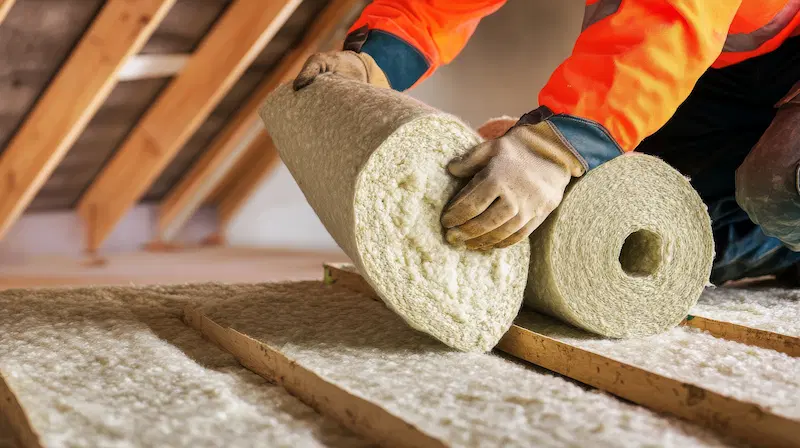
Cellulose insulation materials in rolls for installation

How does Cellulose Insulation Work 

Cellulose is typically blown into walls, attics, or floors, where it forms a dense layer that fills cracks and gaps, reducing air leakage. This makes it particularly effective in older homes or retrofit projects.

Cellulose has an R-value of about R-3.2 to R-3.8 per inch, depending on installation. This is slightly higher than fibreglass and comparable to some types of rockwool.

How much does Cellulose Insulation Cost in Alberta?

Expect to pay around $1.70 to $2.50 per square foot installed, depending on the thickness and area. It’s more affordable than rockwool and roughly similar with blown fiberglass.

In Alberta you might reasonably expect somewhere around CAD $1.20 to CAD $2.50 per square foot installed for a typical attic or retrofit job using cellulose, though it could be higher depending on complexity, ease of access, R-value target, and other factors. 

To get a clear idea of how much you need for your insulation project, request FREE QUOTES from reputable contractors using our short online form.

The Pros & Cons of Cellulose Insulation

Like any insulation material, cellulose has its strengths and limitations. It is popular among eco-conscious homeowners due to its sustainability and solid performance. However, it is not perfect for every situation. Here’s a quick look at the main advantages and drawbacks to help you decide if cellulose is right for your home.

Advantages:

Disadvantages

Cellulose insulation is idea for attic insulation (blown-in), wall cavities, and retrofits or upgrades in older homes.

It is a great choice for homeowners seeking comfort, sustainability, and good R-value performance without a high price tag.

What Is Fiberglass Insulation?

When most Canadians think of insulation, fibreglass is the first that comes to mind. It is made from fine strands of glass fibers bonded together to create batts, rolls, or loose-fill material. Fibreglass remains the most common and cost-effective insulation option across Alberta.

Fibreglass insulation being installed in attic

How It Works

Fibreglass traps air pockets within its fibers, slowing down the transfer of heat. It comes in pre-cut batts for walls and attics, or as loose-fill that can be blown into hard-to-reach spaces.

Fibreglass offers R-value of about R-2.9 to R-3.7 per inch, depending on density and type. While slightly less efficient than cellulose or Rockwool, it is still sufficient for most residential needs if installed correctly.

The Cost of Fibreglass Insulation in Alberta

Fibreglass insulation remains one of the most affordable and widely used options for Alberta homeowners. Its cost-effectiveness and availability make it a popular choice for both new builds and retrofit projects. 

However, prices can vary depending on the R-value, brand, and whether it’s blown-in or batt insulation.

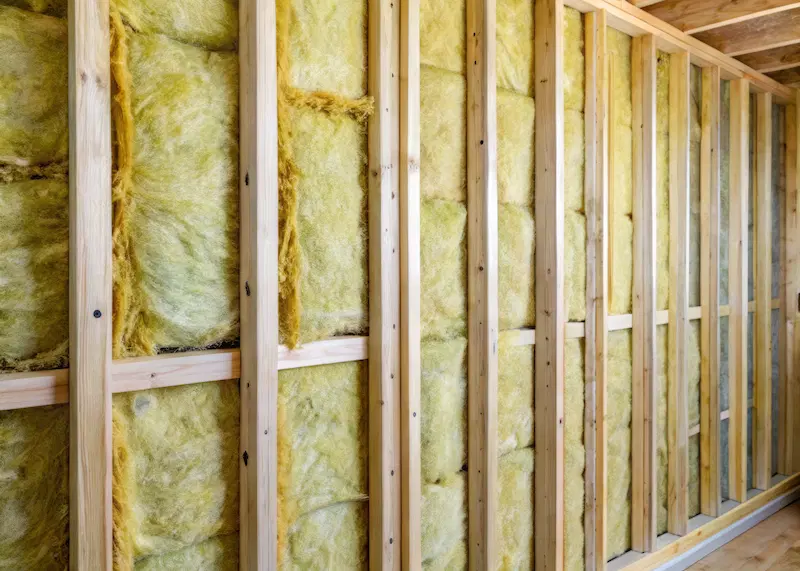
Yellow fibreglass insulation installed in wooden frame

The average installed cost is about CAD $1.60 to CAD $2.00 per square foot but this can vary from one contractor to another.

Including labour, installation, and full attic or wall job, it could cost around $1.95 per sq. ft. or around CAD$1,750 for 900 sq. ft.

Factors such as access and prep work, seasonality, and whether old insulation needs to be removed are some of the factors that drive the cost up or down.

Feel free to request actual quotes for your insulation project using our short online form!

Sample Cost Scenarios for Fibreglass Insulation

To make this more concrete, here are sample scenarios in Alberta that can help you plan your budget.

Scenario A – Attic top-up in a 1,200 sq ft attic
If you are topping up existing insulation to reach a higher R-value like R-50, with moderate access and minimal removal of old materials:
At CAD $1.50 per square foot: 1,200 × $1.50 = CAD $1,800
At CAD $2.50 per square foot:  1,200 × $2.50 = CAD $3,000

Scenario B – Full attic insulation replacement / retrofit
If you are removing old insulation, sealing penetrations, installing hatch cover, and new ventilation, the cost could be higher. 

At CAD $2.00-$3.00 per square foot: 1,000 sq. ft. costs CAD $2,000 to CAD $3,000+.

Scenario C – Wall cavity insulation in a mid-sized home
If you are insulating walls in a 2,000 sq. ft. home and covering around 1,000 sq. ft. of wall area

At CAD $1.60-$2.50 per sq ft: CAD $1,600 to CAD $2,500.

As you can see, the cost per square foot will directly affect the cost of your project. It is important to get the best price and value.

The best way to do this is to obtain multiple quotes free of charge and compare them to find the best deal.

Why Is Fibreglass Insulation worth the Cost?

Spending on quality fiberglass insulation for your home can be a smart investment because:

Speak to our insulation partners to get the best insulation for your home. Fill out the short online form and receive NO COMMITMENT quotes.

What Is Rockwool Insulation?

If you want a premium insulation option, Rockwool (also known as mineral wool or stone wool) is a great choice.

It is made from basalt rock and steel slag, which are spun into dense fibres. The result is a durable material with exceptional thermal, sound, and fire resistance qualities.

Professional installation of Rockwool insulation in an atic

How does Rockwool Insulation Work?

Rockwool forms a dense, sponge-like structure that traps air efficiently while resisting water and fire. It is available in batts, boards, or loose-fill form, making it suitable for walls, floors, and roofs.

Rockwool provides an R-value of about R-3.7 to R-4.3 per inch, the highest R-value per inch among the three materials discussed.

How much does Rockwool Insulation Cost in Alberta?

Rockwool is more expensive, typically costing $2.50 to $4.00 per square foot installed. However, it is worth noting that it also delivers higher performance and durability.

The price will depend on the thickness, area, access, and whether existing insulation must be removed.

Sample Cost Scenarios for Rockwool Insulation

Here are example situations to help you see the potential cost to install Rockwool insulation:

Scenario A: Attic upgrade using Rockwool batts in a 1,000 sq. ft. attic
If you are replacing old insulation with Rockwool to get a higher R-value, with moderate access:

At CAD $2.50 per sq. ft.CAD $2,500.

If more complex and labour rises to CAD $4.00 per sq. ft.: CAD $4,000.

Scenario B: Wall cavity insulation or basement walls using Rockwool boards in a 1,200 sq ft area:
Because walls tend to be more labour-intensive, the cost could rise to CAD $3.00–$4.00 per sq. ft.

Estimated Cost:  CAD $3,600 to CAD $4,800.

These examples show that while Rockwool insulation typically costs more than fibreglass or cellulose, its superior soundproofing, moisture resistance, and fireproof qualities often justify the higher cost.

For homeowners planning a long-term upgrade, the extra upfront cost can translate to better comfort, safety, and energy efficiency over the years.

Choosing the Right Insulation for Your Home

When it comes to insulating your home in Alberta’s challenging climate, there’s no standard answer.

Each insulation type—cellulose, fibreglass, and Rockwool—offers unique strengths that cater to different needs, budgets, and preferences.

Cellulose insulation is the eco-friendly performer, ideal for homeowners who value sustainability and solid thermal performance. It is affordable and efficient, but it may need periodic top-ups over time.

Fibreglass insulation remains the most budget-friendly and widely available choice. It’s a dependable option for those who want solid energy efficiency without overspending.

Rockwool insulation (or mineral wool) is the high-end pick for long-term comfort and safety. Its fire resistance, moisture protection, and soundproofing make it worth the higher upfront cost for many Alberta homes.

Man installing Insulation between attic roof joists

In the end, your best insulation choice depends on your budget, energy goals, and home structure. Attics, walls, and basements may each benefit from a different material. Thus, it’s advisable to discuss your options with a professional before deciding.

If you’re unsure where to start, get free, no-obligation quotes from trusted insulation contractors near you. 

Comparing real prices in your area can help you balance cost, performance, and long-term value—and ensure your home stays warm, quiet, and energy-efficient all year round.

Fill out the short online form below to connect with the best insulation contractors in your area at no cost.

How to Insulate a Garage in Alberta? Cost Comparison

If your garage feels like an oven in the summer and a freezer in the winter, you are not alone. Alberta’s extreme climate, from frigid -30°C winters to hot, dry summers, can make your garage one of the most uncomfortable spaces in your home.

Garage in winter with heavy snow

Whether you use it for parking, storage, or as a workshop, proper insulation can make a huge difference in comfort, energy savings, and even property value.

The good news? You don’t have to guess what it will cost. Garage insulation in Alberta typically costs anywhere from $2,000 to $5,000, depending on the size of your garage, insulation material, and whether you’re insulating the walls, ceiling, or garage door. Smaller DIY projects might cost as little as $1,200, while a fully professional installation using spray foam can reach $6,000 or more.

You can compare multiple quotes for a garage insulation project to find the best price using our short online form at no cost.

Why Garage Insulation Matters in Alberta

Alberta’s weather is extreme. With freezing winters often dipping below -30°C and sudden temperature swings, garages can become bitterly cold or unbearably hot. Even if your garage isn’t part of your living space, its temperature affects the rest of your home.

A poorly insulated garage acts like a cold sponge, sucking warmth from adjoining rooms and making your furnace work harder. If your garage is attached, heat can escape through the shared wall or door, increasing your heating bill.

Here’s what proper insulation does:

Proper garage insulation is not all about comfort. It is also a matter of protecting your home. Alberta’s unpredictable climate requires good insulation to shield the home against energy loss, moisture damage, and even premature wear on your car and tools. Insulating your garage helps balance indoor temperatures all year-round to reduce utility bills and create a more comfortable home.

What Parts of the Garage Should Be Insulated?

Before delving into materials and costs, it is important to know the areas that matter most.

If you don’t have the budget to insulate everything all at once, start with the walls and the ceiling for the biggest impact.

Professionals installing garage insulation

Types of Garage Insulation in Alberta

There’s no one-size-fits-all solution for garage insulation. Each type of insulation has pros, cons, and different costs.

1. Fibreglass Batt Insulation

Fibreglass batts are the pink or yellow rolls you see in most walls. They are inexpensive, effective, and easy to install. You will need to add a vapour barrier on the warm side to prevent moisture buildup.

On the downside, fibreglass batts could sag over time and have poor gap sealing.

2. Blown-In Cellulose or Fibreglass

Blown-in insulation is sprayed or “blown” into cavities using a machine. It works well for topping up attic spaces or retrofitting walls without tearing out the drywall.

It provides excellent coverage and is fire-resistant. However, it can be messy if done DIY and is not ideal for open studs.

3. Spray Foam Insulation

Spray foam (usually closed-cell) offers the best thermal performance. It expands to fill every crack, creating a perfect air and moisture seal. It costs more but is ideal for any homeowner heating their garage or converting it into a workspace.

It also provides the highest R-value (R-6 to R-7 per inch), strengthens walls, and gives a moisture-resistant seal.

Professional installation is required, and is more expensive. The investment can pay off with bigger energy savings, especially if you use the garage often.

4. Rigid Foam Board

Rigid foam boards (XPS or polyiso) are perfect for unfinished or concrete block walls. They are moisture-resistant and easy to cut, making them DIY-friendly. They are also durable and offer a high R-value. However, the gaps must be carefully sealed, and the cost of materials is slightly higher.

Choosing the right insulation depends on your budget, goals, and how you use your garage. Spray foam gives top performance but costs more, while fibreglass batt is affordable and easy to install. Blown-in works well for ceilings, and rigid foam boards are good for tight or DIY spaces. 

The key is finding a balance between cost and efficiency, and comparing quotes can help you get the best value.

Average Garage Insulation Costs in Alberta (2025)

Before you start your project, it will help to know what you will be paying for. The cost of insulating a garage in Alberta can vary widely, depending on the size of the space, the type of insulation you choose, and if you take the DIY approach or hire professionals.

On average, homeowners spend between $2,000 and $5,000 to insulate a standard two-car garage, although smaller spaces can cost much less and premium materials like spray foam can increase the cost. 

Getting several quotes is always worth it — prices can differ significantly between Edmonton, Calgary, and smaller towns. By comparing local estimates, you’ll quickly see which option fits your budget and offers the best long-term value.

Garage Size (In Sq. Ft.) Fibreglass Batts Blown-In Spray Foam Rigid Boards
Single (12 x 20) $1,800 – $3,000 $2,000 – $3.200 $3,500 – $5,000 $3,000 – $4.200
Double (20 x 20) $2,500 – $3,000 $3,000 – $4,300 $4,500 – $6,500 $3,800 – $5,500
Triple (30 x 20) $3,600 – $5,000 $4,000 – $5,500 $6,000 – $8,000 $5,000 – $7,000

Edmonton and Calgary often have more competitive rates because of higher contractor availability. Rural areas may be 5% to 10% more costly due to more limited options.

Recommended R-Values for Alberta Garages

For Alberta’s cold climate, you’ll want higher R-values to retain warmth efficiently. You can refer to the table below for recommended R-values for garages in Alberta.

Garage Area

Recommended R-Value

Walls

R-20 to R-28

Ceiling

R-40 to R-50

Garage door

R-12 to R-16

Floor

R-10 (if heated)

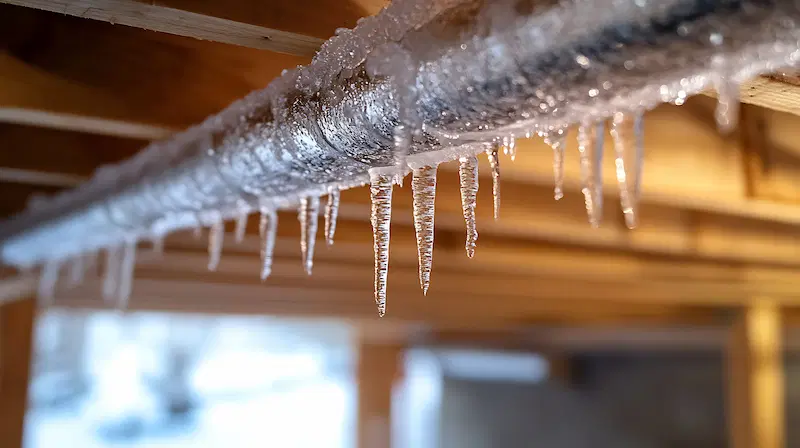
Cold, unheated garage with foam insulation around pipes

It is advisable to ask an insulation contractor to include these R-values in the estimate to ensure long-term comfort and performance.

DIY vs. Professional Installation

Are you good at DIY projects? Fibreglass or foam board insulation can save you as much as 40% of the total cost.  If you prefer spray foam or have a finished garage, hiring a professional is a smarter choice.

Application of spray foam insulation

To help you make the right decision, refer to the table below to compare costs, time spent, and quality of DIY vs. professional installation.


DIY Installation

Professional Installation

Cost

Lower upfront costs

Includes labour, materials, and vapour barrier

Duration of the project

2 to 4 weekends

1 to 2 days

Quality of work

Depends on your skills

Code compliant and high-quality

If you are good with tools and can work safely around electrical and structural areas, DIY insulation can save you some money. But for most homeowners in Alberta, hiring a professional is worth the expense, especially for spray foam or large garages where proper sealing and ventilation are critical.

If you have an attached garage, hire a professional contractor to ensure proper sealing and compliance with building and fire safety standards.

Garage Door Insulation Options

Even if you insulate your walls, heat can still escape if you have a bare metal garage door.

You can either:

If you’re comparing quotes, ask contractors to include the garage door upgrade in their written estimate to check if you can do both at once for less.

Benefits of Garage Insulation

You can gain several advantages if you insulate your garage, including:

Icicles hanging from the garage door indicating extreme cold

Garage insulation pays for itself within 3–6 years, and it makes your space much more comfortable in the meantime.

With minimal maintenance, insulation can last 20 to 30 years.

Rebates and Financing Programs in Alberta (2025)

Even though garage insulation is not usually covered by major rebate programs, you might qualify if your garage is attached or heated.

Here are some options for you to explore:

When comparing quotes, ask each contractor if they assist with the paperwork for rebates or financing programs. 

To connect with reliable and reputable insulation professionals near you, just complete our short online form at NO COST.

Is Garage Insulation Worth It in Alberta?

Yes, insulating your garage is 100% worth it.

For Alberta homeowners, garage insulation is one of the most cost-effective home improvements you can make. It keeps the cold out, lowers energy bills, and adds long-term comfort and value.

Expect to spend around $2,000–$6,000, depending on the type of insulation, and the size of your garage. Spray foam offers the best performance, while fibreglass remains the most budget-friendly.

Insulated garage as a comfortable living space

Whether you’re in Calgary, Edmonton, or anywhere in between, you can quickly compare multiple insulation quotes from local contractors and get the best deal for your garage project.

Please fill out the short online form on this page to receive FREE and NO OBLIGATION quotes for garage insulation in Alberta.

How much does Attic Insulation Cost in Alberta?

If you own a home in Alberta and want to enhance your home’s comfort and energy efficiency, adding more insulation to your attic is a project worth considering.

To start planning an attic insulation project, you will want to know the cost and your best options.

On average, attic insulation in Alberta costs between CAD $1.50 and $4.00 per square foot, depending on the type of insulation, attic size, and the work required. That means a typical 1,000 sq. ft. attic will cost around $1,500 to $4,000, while a larger or more complex space can reach $6,000 to $8,000 or more if old insulation must be removed or higher R-values are targeted.

Professional attic insulation installation

That’s the quick answer. But several factors determine where your home will fall within that range. In this guide, we will explain the factors that affect insulation costs in Alberta, the most common material available, and how to get free insulation quotes to compare prices. This understanding will help you to select the appropriate materials and confidently plan your budget.  

Use the short online form on this page to receive FREE QUOTES and connect with reputable insulation contractors in your area.  

Why Insulate Your Attic in Alberta?

Alberta’s winters are long and harsh, with frigid nights that can quickly affect a home with inadequate insulation. Significant heat escapes through the roof, especially when the attic is not properly insulated. Here’s why upgrading your insulation matters:

Considering Alberta’s extreme weather conditions, upgrading your attic’s insulation will be one of the smartest home improvements you can make.

Signs You Need New Attic Insulation

Are you unsure if you even need insulation? Look out for these signs:

If you recognize several of these signs, it’s time to get your attic inspected. Most companies offer a free inspection to give you a detailed and accurate quote.

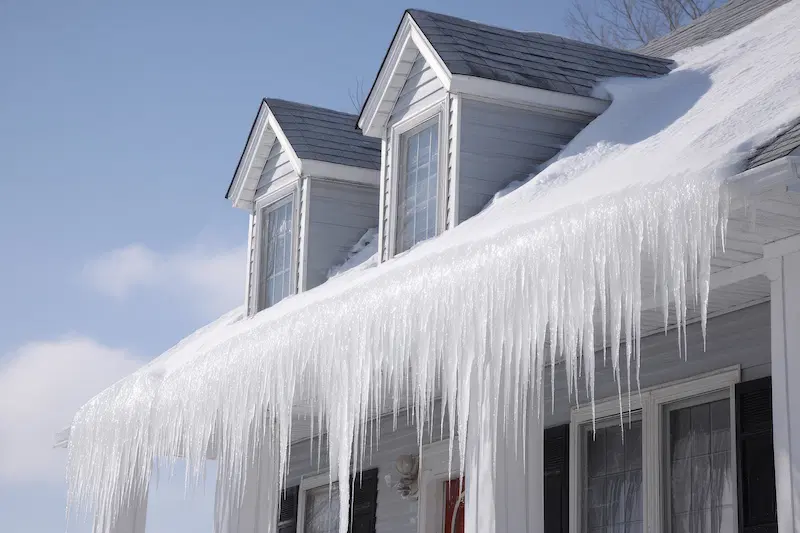
Ice dams on the roof during winter

Understanding R-Values for Alberta’s Climate

In cold regions like Alberta, the attic’s R-value (thermal resistance) is crucial. The higher the R-value, the better the insulation.

Here’s what the National Building Code of Canada and energy experts generally recommend:

Zone

Recommended R-Value

Equivalent in Inches
(blown-in)

Alberta (Zone 7)

R-50 to R-60

~16–20 in of blown-in insulation

If your current attic has R-20 or R-30, which is typically found in older homes, improving your attic insulation can significantly improve efficiency. Most contractors aim for R-60 in new installations for higher energy efficiency.

Types of Attic Insulation in Alberta to Consider

Alberta homeowners can choose from several materials for attic insulation— each with its own cost, performance, and energy efficiency benefits.

Worker installing blown-in insulation

The right option depends on your budget, attic layout, and your existing insulation. Here’s a quick look at the most common types used across the province.

1. Blown-In Cellulose

2. Blown-In Fibreglass

3. Spray Foam (Closed-Cell or Open-Cell)

4. Fibreglass or Mineral Wool Batts

Choosing the ideal type of insulation for your attic will depend on your budget, desired R-value, and if air sealing is your priority. 

You can compare FREE QUOTES from our insulation partners to find the best attic insulation that meets your priorities and budget.

Typical Costs of Attic Insulation in Alberta

Before diving into the details of materials and labour, it is advisable to understand the average costs that most Alberta homeowners pay for attic insulation.

Costs can vary widely depending on the size of your attic, accessibility, and the type of insulation used, but clear patterns based on real project data can be used to make an estimate. Below is an overview of the typical prices you can expect when insulating an attic in Alberta, whether you are upgrading or installing insulation for the first time.

Based on these average prices, you can expect to pay

These prices include both materials and labour. For small attics, some contractors have minimum service charges ranging from $1,500 to $2,000, which can impact smaller projects.

Average Project Timeline

Most insulation contractors can complete attic insulation in half a day to two days, depending on the scope of the work:

TYPE OF PROJECT

TIMELINE / DURATION

Simple insulation upgrade or installation

  4 to 6 hours

Full replacement

1 to 2 days

Spray Foam Installation

1 to 3 days (with prep and curing time)

Professional installers use specialized blowers or foam rigs to get even coverage and clean results.

Cost vs. Comfort: Long-term Benefits

Good insulation is more than just an energy upgrade. It’s about your comfort all year round. Homeowners who insulate their attics say that they experience the following benefits:

Since insulation is mostly maintenance-free, it is a home improvement that will last for a long time and provide long-term benefits that pay off with time.

DIY vs. Hiring a Professional

Now that you know the average cost of attic insulation, you may be wondering if you can save more money with a DIY installation.

Fibreglass insulation batts used in an attic

You can buy insulation from a home improvement store and rent a blower, but DIY insulation has its limits. Consider the following pros and cons of a DIY project vs. hiring a professional.

Factor

DIY Insulation

Professional Insulation

Average Cost

$1.00 – $2.50 per sq. ft. (materials only)

$1.50 – $4.00+ per sq. ft. (materials + labour)

Tools & Equipment

Must be rented or purchased (blower, safety gear, ladders)

Provided by insulation contractors

Skill Level Required

Moderate to high; requires knowledge of prep and installation processes.

Handled entirely by trained professionals

Duration

1–2 full days for an average attic.

3 to 6 hours

Quality & Coverage

Possibly uneven or with gaps if not done properly

Even and consistent coverage with an optimal R-value

Safety Risks

Risk of falls, exposure to insulation fibres, and electrical hazards

Contractors follow safety protocols and use protective gear

Warranty & Guarantee

None – homeowner assumes all responsibility

Usually includes workmanship and product warranty.

Impact on Energy Efficiency 

Varies – may not meet energy rebate standards

Usually meets or exceeds efficiency and rebate requirements.

Best For

Skilled homeowners on a tight budget.

Homeowners who seek long-term performance and peace of mind

Ultimately, the choice between DIY and professional insulation comes down to your priorities. 

If you are comfortable with tools and have a simple attic, a DIY approach may be suitable. However, if you want guaranteed results, effective air sealing, and insulation that meets Alberta’s energy efficiency standards, hiring a professional installer is worth the extra cost — especially with the potential energy savings and rebates available.

Which Option Is Better for Alberta Homeowners?

While DIY insulation can save money upfront, it often comes with trade-offs in comfort, safety, and long-term performance.  Most Alberta homeowners find that hiring a professional insulation contractor delivers better energy efficiency, higher R-values, and access to rebates or warranties that DIY work can’t offer. If your attic is large, difficult to access, or has existing insulation that needs removal, professional installation is almost always the smarter and safer investment.

What Rebates and Incentives are available in Alberta?

As of 2025, some energy efficiency programs still provide funding for insulation upgrades, though availability changes. You can check:

Your contractor can help you identify active rebates and handle the paperwork — a great reason to get our free quote service to connect with the best insulation professionals near you.

Getting the Best Value for Your Attic Insulation in Alberta

Upgrading your attic insulation is one of the most cost-effective ways to improve your home’s comfort and energy efficiency, especially in Alberta’s cold, fluctuating climate.

If your goal is long-term savings and consistent warmth year-round, professional insulation often provides the best return on investment. You can get expert installation, proper air sealing, and insulation that meets the latest R-value standards, all of which can significantly reduce heating bills and qualify you for government rebates.

Worker installing insulation in wall

Before starting your project, it’s wise to compare free insulation quotes from local contractors. That way, you can find out exactly what fits your budget and ensure that you are getting the best deal possible for your home.

Insulating your attic is not merely an upgrade; it is a valuable investment in your home’s comfort and  efficiency, providing peace of mind for years to come.

Please fill out the online form on this page to start planning your insulation project with competitive quotes at no charge or obligation.

Best Insulation Companies in Calgary – Quotes and prices in 2025

If you’re searching for the best insulation companies in Calgary, there are a few names that rise consistently to the top based on local reviews, reliability, and value for money.
Man installing thermal insulation

In 2025, the top-rated insulation companies in Calgary include:

These companies have solid reputations for customer satisfaction, transparent pricing, and expert installation across all major insulation types, including fibreglass, cellulose, and spray foam. They also help homeowners get energy rebates available, which can reduce the cost of insulation upgrades by up to $5,000.

If you are interested in upgrading your home insulation this year, compare multiple quotes using our short online form at no cost before deciding.

Prices in Calgary can vary by 20%–40% depending on materials, R-value, and access conditions.  Getting three or more estimates ensures you get the best deal for your budget.

Why does Insulation Matter So Much in Calgary?

Calgary’s extreme temperature swings, from freezing winters and warm summers, requires proper insulation in the home essential. Without it, heat escapes in winter, cool air leaks out in summer, and your furnace or AC works overtime.

Good insulation offers more than just comfort because it:

In a city where winter nights can plunge below –25°C and summer heat waves hit 30°C or more, insulation isn’t just about comfort but about control. It keeps your home steady when the weather swings wildly, cuts down your monthly bills, and protects your biggest investment from damage and energy loss. 

For many homeowners, upgrading insulation pays off in just a few years through energy savings and improved comfort.

Make home insulation upgrade your project this year and start getting lower energy bills and more comfort throughout the seasons.

Types of Insulation Used in Calgary Homes

Choosing the right insulation material is the foundation of an energy-efficient home. Calgary’s mix of freezing winters and warm summers demands insulation that balances thermal resistance, moisture control, and durability.

Below are the most widely used insulation types in Calgary, along with their key advantages, ideal applications, and average installation costs.

Type of Insulation

Description

Average Cost (Installed)

Ideal For

Blown-in Cellulose

Eco-friendly, made with recycled paper

$2 to $3 per sq. ft.

Attics, Walls, Cavities

Fibreglass batts

Affordable and easy to install

$1.50–$2.50 per sq. ft.

Walls and ceilings

Spray Foam Insulation

Expands to seal gaps; excellent air barrier

$3–$5 per sq. ft.

Attics, basements, crawl spaces

Rigid foam boards

Dense, high R-value per inch

$2.50–$4 per sq. ft.

Foundations, exteriors

Blown-in fibreglass

Lightweight, fire-resistant alternative to cellulose

$2–$3 per sq. ft.

Attics, top-ups

Different homes require different materials. Older houses often need attic top-ups, while newer builds benefit from spray foam for tight sealing.

Find the best insulation type for your home at the right price by comparing FREE QUOTES using our short online form.

Average Insulation Prices in Calgary (2025)

Before hiring a contractor or choosing insulation materials, you should know what to expect in terms of cost.

Insulation prices in Calgary can vary widely depending on the type of material, the size of your home, and the complexity of the job. A simple attic top-up might cost just a few hundred dollars, while a full-home insulation upgrade can run into the thousands.

Thermal insulation with glass wool

Understanding the average price range for each insulation type will help you plan your budget, compare quotes accurately, and avoid overpaying for the same job.

Scope / Area

Average Cost

Description

Attic top-up

$1,800–$3,000

Commonly used for older homes

Full attic re-insulation

$3,000–$5,000

Varies by size

Basement or crawl space

$2,500–$4,500

Spray foam recommended

Wall insulation (retrofit)

$4,000–$8,000

May require drilling or panels

Whole-home insulation

$8,000–$15,000+

Full upgrade with air sealing

The cost can seem high, but the benefits really outweigh the cost of this investment. Keep in mind that you are investing in your comfort, the value of your home, and energy savings in the future.

Most importantly, rebates can significantly reduce these costs. Learn more about available rebates in Calgary below.

Rebates and Incentives Available in Calgary

Upgrading your home’s insulation doesn’t just make it more comfortable; it can also earn you cash rebates and incentives.

In Calgary, homeowners can take advantage of provincial and federal energy efficiency programs designed to help offset the cost of insulation projects.

Canada Greener Homes Affordability Program: 

This new program is scheduled to begin delivery in 2025 for low-to-median-income homeowners and tenants, focusing on no-cost retrofits like insulation and heat pump

Home Upgrades Program

Calgary homeowners may qualify to get free home upgrades, such as a high-efficiency furnace, new insulation, or weatherstripping. To qualify, you must live in Calgary, own a detached house or duplex built before 1988, and meet income qualifications.

Greener Homes Grant

Homeowners looking to increase energy efficiency with retrofits can look to the Greener Homes Grant which offers between $125 and $5,000 for upgrading their homes, and $600 towards the total cost of EnerGuide evaluations before and after the retrofits. 

Homeowners have until April 2027 to complete the retrofits.

Alberta Energy Savings Programs

In addition to federal funding, some local utility providers in Alberta offer limited-time rebates for insulation and energy efficiency projects. These may include discounts on materials, cash-back incentives, or credits on your energy bill.

Availability changes from year to year, so it is advisable to ask your energy provider or visit the City of Calgary’s energy efficiency page for current offers.

A reputable insulation contractor can also provide you with relevant details on open and available rebates in your area.

Applying for rebates can reduce your overall project cost by 10% to 30%, depending on the type of insulation and total expense. Aside from saving money, you can also increase your home’s energy efficiency rating, making it more comfortable in winter and summer and potentially more attractive to future buyers.

DIY vs. Professional Insulation: Which is better?

Some homeowners consider adding insulation themselves to save money. Here’s a quick comparison:
Factor

DIY

Professional Installation

Cost

Lower upfront costs

More expensive but includes labour and warranty

Quality

Depends on your skills

Guaranteed quality and satisfactory results

Safety

Dust and risks with tight spaces

Crew is trained and uses proper equipment

Energy Savings

Moderate

Maximum because of expert sealing

Time of installation

1 to 2 weekends

1 day

DIY work is possible for small attic top-ups, but Calgary’s cold climate demands proper air sealing and moisture control. This requires that the project be handled by pros for maximum benefits.

What Impacts the Price of Insulation in Calgary?

Each home is unique, but the following factors generally affect the cost of home insulation:

Factors that increase the price of insulation

In short, insulation prices in Calgary vary. The final cost depends on a mix of factors including the type of material and size of your home to accessibility, labor, and even the season you book your project. 

Understanding these factors helps you to compare quotes more confidently and avoid unexpected costs. By getting multiple estimates from local insulation contractors, you’ll have a clearer picture of how to optimize the benefits of your project and get long-term value for your home.

When is the best time for a home insulation project?

Planning and scheduling your insulation project well can make a big difference in cost and comfort. While insulation can be installed year-round, certain seasons make the job easier, faster, and sometimes cheaper.

Improve energy efficiency in the home with insulation

Spring and Fall: Ideal Seasons for Insulation projects

Most insulation experts recommend to do insulation projects in the spring and fall. The weather is mild, which means:

Summer 

If the attic is like a sauna in the summer, it is a good time to add attic or roof insulation. The work can be done quickly, but expect slightly higher labor costs if contractors are in high demand.

Winter Upgrades

Insulation projects are also possible in winter, especially for basements, crawl spaces, and interior walls. They can, however, be challenging due to the cold weather. Some spray foam products require a certain temperature to cure properly, so contractors might need to use heaters or wait for warmer days.

If you want the best value and stress-free experience, plan your insulation project for spring or fall. You’ll enjoy flexible scheduling, fair pricing, and immediate comfort improvements before Calgary’s harsh weather hits full swing.

Why Get Multiple Quotes?

Spring and Fall: Ideal Seasons for Insulation projects

Most insulation experts recommend to do insulation projects in the spring and fall. The weather is mild, which means:

Comparing quotes is not just about saving money; it also assures you of long-term comfort and energy efficiency.

Get the Right Insulation at the Right Price

Insulating your home is one of the smartest investments you can ever make, especially in Calgary’s extreme climate.

A well-insulated home can save money monthly throughout the year and add comfort, value, and long-term protection to your property.

Whether you’re upgrading your attic, basement, or entire home, take the time to compare prices as well as quality and value. The right insulation job can last decades, and the savings you’ll enjoy every month make it well worth the effort.

Choose a contractor that is experienced, certified, and transparent about costs. Start today by filling out the short online form on this page, free of charge.

Top Insulation Companies in Edmonton – Attic, Spray Foam and More

If you are a homeowner in Edmonton looking to boost energy efficiency, reduce heating bills, or improve comfort and air sealing, proper insulation is one of the best investments you can make. 

The trick is to find an insulation company you can trust; one that knows the local climate, experienced in safe attic work, and has expertise with spray foam, blown-in, batts, and other insulation types.

Increased comfort and warmth with home insulation

These companies are consistently recommended by Edmonton homeowners for reliability, fair pricing, and solid workmanship.

You can compare quotes tailored to your project, free of charge, by completing our short online form on this page.

How to Know When to Upgrade Your Home Insulation

Most homeowners don’t think about insulation until their heating bills spike or rooms start feeling uncomfortable. But Edmonton’s harsh winters make proper insulation crucial — and knowing when it’s time to upgrade can save you hundreds each year on energy costs.

A worker putting weather stripping to windows

1. Uneven Temperatures in Rooms
If some rooms feel freezing while others stay warm, that’s a red flag. Uneven temperatures usually mean air is escaping through poorly insulated walls, ceilings, or attics. A professional energy audit can pinpoint where the heat loss happens.

2. High Heating and Cooling Bills
A sudden increase in your Enmax or EPCOR bill—without a change in usage—often signals that warm air is leaking out and cold air is seeping in. Upgrading insulation can reduce energy bills by up to 30% in older homes.

3. Drafts and Cold Spots
If you feel cold air near windows, doors, or floors, your insulation may be inadequate. Air leaks and insufficient insulation allow outdoor air to enter, forcing your furnace to work harder.

4. Ice Dams or Frost in the Attic
During winter, check your roof for icicles or ice buildup along the edges. These form when heat escapes from the attic and melts snow, which then refreezes. Frost on attic beams is another telltale sign your insulation is insufficient or uneven.

5. Old or Compressed Insulation
Insulation materials like fiberglass or cellulose lose effectiveness over time—especially if they have become wet or compacted. If your home is more than 15–20 years old and hasn’t been re-insulated, it’s worth having a professional inspection.

6. Moisture, Mold, or Musty Odors
Condensation on windows, damp attic areas, or musty smells in basements often mean your insulation no longer provides an effective moisture barrier. Upgrading to spray foam or rigid foam can help seal out humidity.

7. Noise between Rooms or from Outside
Insulation doesn’t just retain heat inside; it also reduces noise. If you hear sounds from your neighbours,  home traffic, or between floors, you can benefit from higher-density insulation materials.

When is the best time to upgrade home insulation?

In Edmonton, the ideal time to upgrade insulation is late spring through early fall, before temperatures drop below freezing. Installers can safely remove old materials, seal leaks, and apply new insulation without weather delays.

If your home feels drafty or you have noticed an increase in your heating bills, don’t wait for the perfect time to upgrade insulation. Modern insulation can be installed at any time of the year with the proper preparation by an experienced contractor.

What Makes a Great Insulation Company?

Before looking at good insulation companies, it would help to know how to distinguish a good contractor from a mediocre one.

Here are the key attributes to look for in a good insulation company: 

Technical Expertise & Certification

Range of Services

Reputation & Reviews

Transparent Quotes & Diagnostics

Warranty, Insurance & Guarantees

Local Experience & Understanding Climate

With those benchmarks in mind, here are several of the top insulation companies in Edmonton you should consider.

Popular Residential Insulation Services in Edmonton

When you choose one of our insulation partners, you are guaranteed that the technicians doing the work qualified for the job. Whether you want cellulose, fibreglass, or spray foam insulation for your residential property, our partners can install them.

Each home requires a different insulation approach depending on its age, structure, and budget. The main insulation services offered in Edmonton include:

Attic Insulation
The attic is the most cost-effective place to upgrade insulation. Most houses in Edmonton need R-60 or higher to prevent heat loss. Blown-in cellulose or fiberglass is the most common method.

Spray Foam Insulation
Spray foam provides superior air sealing and moisture control. It is good for basements, crawl spaces, rim joists, and walls. Closed-cell foam has higher R-values but is more expensive. 

Blown-In Insulation
This method is ideal for enhancing existing insulation in attics. It’s fast, affordable, and reduces heating costs quickly. It is installed using special equipment, and is ideal for irregular shaped spaces, unfinished attic flooring, and hard-to-reach places.

Batt Insulation
Walled batt insulation or fibreglass batt insulation is commonly used for basic walls in homes and commercial properties. 

Basement & Crawl Space Insulation
Spray foam or rigid foam board insulation prevents condensation and mould in below-grade spaces.

Contact leading insulation contractors in Edmonton using our free online form to reduce the expenses for your project.

Average Insulation Costs in Edmonton

Before you start comparing contractors, it helps to know the average prices for home insulation in Edmonton. Prices can vary widely depending on the type of insulation, the age of the home, and the ease of access to the target space.

Technician using a blow torch for sealing insulation on a roof

Usually, costs charged by contractors are between $1.25 and $6.00 per square foot, depending on whether you choose blown-in, spray foam, batt, or rigid foam insulation. 

Spray foam is the most expensive but delivers the best long-term energy savings, while blown-in insulation offers great value for attic upgrades.

Type of Insulation

Average cost (per sq. ft.)

Ideal Use

Blown-in (attic) $1.50 – $2.50 Attics and ceilings
Spray foam $3.50 – $6.00 Walls, basements, and crawl spaces
Fibreglass batts $1.25 – $2.50 Walls and floors
Rigid foam board $2.00 – $3.50 Basements and exterior walls
Cellulose $1.50 – $2.75 Older homes and attics

To give you a good idea of how much to prepare for upgrading home insulation, below are average prices based on type and size of the project.

Project Type and Scope Typical Cost
Attic insulation (fibreglass or blown-in) $1,300 on average but cheaper for smaller attics
Spray Foam Insulation $3,000 to $6,000 depending on whether you want closed-cell foam or open-cell foam
General insulation upgrade $3,000 to $8,000

* These are average prices or ranges. The cost of your project can be above or below depending on many factors.

These prices include materials and professional installation. Get multiple quotes before choosing an insulation company as rates can vary depending on the project size, accessibility, and R-value requirements.

Government Rebates and Energy Efficiency Programs

If you are planning to upgrade insulation in Edmonton, you may qualify for rebates through programs such as:

Most top insulation companies in Edmonton can help with the paperwork or guide you through the energy audit process.

What to Expect During Installation

A typical insulation upgrade in Edmonton usually consists of these steps:

Most attic upgrades take around 1 day to complete. Spray foam projects can take longer due to curing and ventilation time.

Why Insulate Through a Quote Comparison Site

Using a platform like Compare Insulation Quotes saves time and allows you to get transparent ad competitive estimates. You can:

Instead of calling around and taking hours of your time, just fill out our short online form and receive personalized quotes tailored to your needs. 

Save time and money and ensure your home insulation upgrade is of good quality at the right price!

Best Fireproof Insulation Options in Canada

Fire safety goes beyond smoke alarms or extinguishers. It also involves materials that quietly work inside your walls, floors, and ceilings. 

In Canada, where building codes are stringent and climates require heavy insulation, choosing fire-resistant insulation is not just an upgrade but a vital, life-saving decision.

Worker installing insulation in a new home

With wildfires becoming more frequent in parts of Western Canada and residential fires still a common threat in both urban and rural areas, using non-combustible or fire-resistant insulation materials can literally buy time when every second counts.

This comprehensive guide explores the best fireproof insulation materials available to Canadian homeowners in 2025. Compare the pros and cons of each option to make the best decision that suits your needs, budget, and safety goals.

Check the lowest prices for fireproof insulation in your area. Fill out the short online form to receive FREE and NO-OBLIGATION quotes.

Signs you need to upgrade the insulation of your home

Homeowners often overlook insulation until a problem arises.

If you notice your energy bills are rising, or that your HVAC system is struggling to maintain comfortable temperatures in the home, outdated insulation could be to blame.

Here are the most common signs it’s time to upgrade your home insulation:

1. High Energy Bills

If your heating and cooling costs continue to rise despite consistent use, your insulation might be inadequate. Poor insulation allows heat to escape in winter and enter the home in summer, placing additional strain on your HVAC system. 

2. Uneven Room Temperatures

Uneven temperatures across your home often indicate gaps or insufficient insulation in walls, floors, or ceilings.

3. Drafts and Cold Spots

If you feel a breeze even with doors and windows closed, that’s a classic sign of air leakage due to weak or inadequate insulation. This is especially common around attic hatches, crawlspaces, or rim joists.

4. Ice Dams in winter

Ice dams that form on the edge of your roof indicate that heat is escaping from your attic and melting the snow, which then refreezes. This means your attic insulation is underperforming, which could cause mould and water damage. 

5. Overworked HVAC System

If your HVAC system runs continuously without achieving your desired indoor temperature, it may be due to poor insulation causing it to work overtime. 

6. Moisture, Mold, or Mildew

Insulation that absorbs water or deteriorates because of moisture loses its thermal resistance. This can lead to mold growth which poses health risks to the people in your home.

Modern fire-resistant options like mineral wool or spray foam are both moisture-resistant and mold-proof.

7. Older Home without recent upgrades

If your home was built before the 1990s and hasn’t received an insulation upgrade since, it is likely under-insulated according to today’s standards. Older homes often contain materials that are no longer considered efficient or safe.

8. Pest Problems

Unwanted critters like rodents or insects can burrow into old or degraded insulation. This not only compromises its effectiveness but can also pose serious hygiene and fire risks.

9. Indoor noise 

If you can hear street sounds or every step inside the home, your insulation is not performing its job as a sound barrier. Fire-resistant materials like stone wool offer excellent soundproofing and fire protection.

10. Visible Insulation Damage

If you notice sagging, compressed, discolored, or crumbling insulation in your attic, it is time to replace or upgrade your home’s insulation.

Upgrading your home’s insulation isn’t just about saving on energy bills—it’s also about improving comfort, preventing damage, and enhancing safety.

If you see any of these warning signs, consult an insulation professional and explore modern, fire-resistant options that meet today’s building standards. Acting early can save you money, protect your home, and give you greater peace of mind.

What Is Fireproof Insulation?

Fireproof or fire-resistant insulation refers to materials designed to resist ignition and delay the spread of flames in a fire. 

These materials don’t catch fire easily, and in the event of a fire, they won’t release toxic smoke or melt rapidly. This gives the occupants of the home time to evacuate to safety.

Most fireproof insulation is classified as non-combustible or Class A fire-rated, meaning it meets stringent safety standards in both Canada and the U.S.

Is Fireproof Insulation Mandatory?

Fireproof insulation is not mandatory for all areas of the home, but there are legal fire-resistance standards that apply in specific situations. 

A brief overview of the Canadian Building Code Requirements 

The National Building Code of Canada (NBCC) and provincial codes like the Ontario Building Code (OBC), or the British Columbia Building Code (BCBC), do not require all insulation in the home to be fireproof.

However, they do require that building materials meet minimum flame-spread and smoke-development standards in essential areas. 

Insulation in fire-rated assemblies (such as between a garage and living space, or separating units in a duplex) must be non-combustible or installed behind an approved thermal barrier such as a layer of drywall, for code compliance. 

In addition, the insulation must have a flame-spread rating of 25 or less and a smoke-developed index not exceeding 50, in accordance with standardized fire testing protocols such as CAN/ULC S102.2 or ASTM E84.

Insulation in concealed spaces (behind walls or in attics):

1. May be combustible, but must be installed behind a protective thermal barrier (typically ½” drywall or similar fire-rated material).
2. Spray foam insulation, for example, requires a 15-minute thermal barrier unless it has been specifically tested and approved for exposed use.

Multi-family buildings, high-rises, or commercial properties:

Although fireproof insulation is not required for the entire home, using it can enhance your safety and may be necessary to pass inspections for renovations and new builds.

Top Fireproof Insulation Types in Canada

Not all insulation materials are created equal—especially when it comes to fire safety. 

Some insulation materials ignite easily or release toxic smoke. Others are designed to resist high temperatures and slow the spread of flames. In Canada, where homes need to withstand harsh winters and meet strict safety standards, choosing the right fire-resistant insulation is essential.

Below, we break down the most reliable fireproof insulation options available in Canada today. Whether you are building a new house or renovating an old one with safety in mind, these materials offer peace of mind without sacrificing energy efficiency or comfort.

Here are the top-rated fire-resistant insulation materials available across Canada:

1. Mineral Wool (Rock Wool or Stone Wool)

Best Overall Fire-Resistant Option

Mineral wool is made by spinning molten basalt or industrial slag into dense, fibrous batts. It has excellent thermal, soundproofing, and fire-resistance properties.

What are the Pros and Cons of Mineral Wool?

Pros:

Cons:

Mineral Wool insulation is best used for:

ROCKWOOL Comfortbatt is one of the most trusted and widely available options, ideal for both DIY and professional installations.

2. Fiberglass Insulation (Fire-Retardant Grade)

Best Budget-Friendly Fire-Resistant Insulation

Fibreglass batts or blown-in insulation are made from fine glass fibres. The insulation itself won’t burn, but the paper facing often found on batts can be combustible.

What are the pros and cons of fibreglass insulation? 

Pros:

Cons:

Fibreglass insulation is ideal for:

In Ontario and BC where fire codes are strict, unfaced fibrerglass is preferred for fire-rated assemblies.

3. Spray Foam Insulation (With Fire Retardant)

Best for Air Sealing + Fire Resistance (with proper barriers)

Spray foam expands upon application and create a seamless barrier against air leaks and moisture. It can be combustible unless treated or covered.

What are the pros and cons of spray foam insulation? 

Pros:

Cons:

Spray foam insulation is best used for:

Check closed-cell spray foams approved under CAN/ULC S705.1 for fire resistance when used with approved coverings.

4. Cellular Glass (Foamglas)

Most Durable and 100% Non-Combustible

Cellular glass insulation is made from crushed recycled glass and carbon. This rigid board insulation is fireproof, waterproof, and vapor-impermeable.

What are the pros and cons of cellular glass insulation? 

Pros:

Cons:

Where to use Cellular glass insulation: 

Cellular glass insulation such as Foamglas® is a premium fireproof material best suited for applications where non-combustibility, moisture resistance, and compressive strength are critical. It’s ideal for:

Think about using Foamglas under slabs or at the foundation level to create a durable, non-flammable thermal barrier that also resists water and pests—making it an excellent choice for basements and below-grade installations.

5. Cementitious Foam (Air Krete)

Green Building + Fireproof Solution

Made from magnesium oxide and air, this open-cell foam is pumped into walls similarly to spray foam but is completely inorganic and eco-friendly.

What are the pros and cons of cementitious foam insulation? 

Pros:

Cons:

Cementitious foam insulation is best used for:

If you’re building to LEED or Passive House standards, Air Krete is a strong, fire-safe choice for interior wall fills.

To make it easier to compare these optio

How much does fireproof insulation cost in Canada?

The cost of fireproof insulation in Canada depends on the type of material, the area being insulated, and whether it’s a new installation or a retrofit. While fire-resistant options tend to be more expensive upfront, they offer long-term value through improved safety, durability, and energy efficiency.

Mineral wool insulation panels of various colors

Here’s a breakdown of average installed prices by insulation type:

1. Mineral Wool (Rockwool or Stone Wool)

2. Fiberglass Batt Insulation (Fire-Rated)

3. Fire-Resistant Spray Foam (Closed-Cell)

4. Rigid Foam Boards (with Fire-Resistant Coating)

5. Cementitious or Foamed Glass Insulation

FIREPROOF INSULATION COST COMPARISON (2025 ESTIMATES)
Type Average Cost to Install (Per Sq. Ft.) Ideal for Use Fire resistance Description
Mineral Wool $3 – $5 Attics, walls, floors, fire-rated assemblies Excellent Provides soundproofing and moisture resistance
Fibreglass $2 – $3.50 Walls and ceilings with thermal barrier Good Affordable, Must be installed with drywall or fire-rated sheathing
Spray-Foam (closed cell) $4 – $7 Crawlspaces, basements, and rim joists Moderate with thermal barrier Needs a 15-minute fire barrier unless you use a fire-rated product
Rigid Foam Board (with coating) $3.50 – $6.50 Under-slab, basement walls, exterior sheathing Good with barrier or coating Needs intumescent paint or drywall for code compliance
Cellular glass $6.50 – $10 Foundations, mechanical rooms, and flat roofs Excellent Industrial grade, high-performance, more expensive
Cementitious Foam $6 – $12 Specialty or industrial fire-rated zones Excellent Used in commercial applications, rare in residential properties

Now that you have the information on these types of fireproof insulation, you can choose the right one for your needs and budget.

Regional Price Differences of Fireproof Insulation

Urban areas like Toronto, Vancouver, or Calgary tend to have higher labour costs.

Remote regions may face higher material prices due to transportation and limited contractor availability.

Spray foam insulation being applied to a wall

In Ontario and B.C., energy-efficiency grants may offset some costs when upgrading to fire-safe, high-performance insulation.

Other Factors that Affect Insulation Costs

Beyond the base price of materials and installation, several factors can also influence the final cost of adding fireproof insulation to your home.

Understanding these variables can help you budget more accurately and avoid unexpected expenses.

Compare our reputable and experienced insulation partners to get the best deals on residential fireproof insulation. Complete the form on this page to get FREE quotes for comparison to save time and money!

Insulation Types That Are Not Fire-Resistant

While many products offer good thermal insulation, not all are safe in a fire. Be careful with:

These options may still be used in applications where they are fully encased in non-combustible materials, but they are not fireproof as is.

How to Know if Insulation Is Fire-Rated in Canada

Look for certifications like:

Also, ensure your chosen insulation product is approved for use in your province’s building code. For example, Ontario’s OBC and BC’s BCBC both have specific insulation flame spread limits.

Is It Worth Investing in Fireproof Insulation?

Upgrading to fireproof insulation is definitely worthwhile, especially in areas requiring fire-rated assemblies or during home renovations. 

Fire-resistant insulation not only boosts safety and energy savings but also adds to your home’s resale value and code compliance.

Get Accurate Fireproof Insulation Quotes for Your Home

Every home is different—and so is every insulation project. 

Whether you’re retrofitting a small attic or insulating a new home addition, the best way to understand your real costs is by getting tailored quotes.  

We connect Canadian homeowners with licensed, local insulation professionals who can assess your space, recommend the right fireproof materials, and provide free, no-obligation quotes.

Are you ready to get started? Fill out our short online form to compare prices from trusted contractors in your area—and find the best deal for your fireproof insulation upgrade.

Best Foam Insulation Contractors near Me

Foam insulation in Canada, specifically spray foam insulation, fills spaces or cracks with isocyanate and polyol resin, which becomes solid wherever it is installed. 

It has high thermal resistance (R-value) and air-sealing qualities to reduce heat loss and increase energy efficiency in the home. This, in turn, converts to savings on energy bills throughout the year.

Spray foam insulation on a wall for energy efficiency

Insulating foam offers thermal and sound insulation. This means that it stops the loss of heat energy and sound energy from travelling inside and outside.

If you want to improve energy efficiency in your home, find the best foam insulation contractors near you.

Just fill out the form on this page to receive FREE and NO-OBLIGATION quotes to compare and save money.
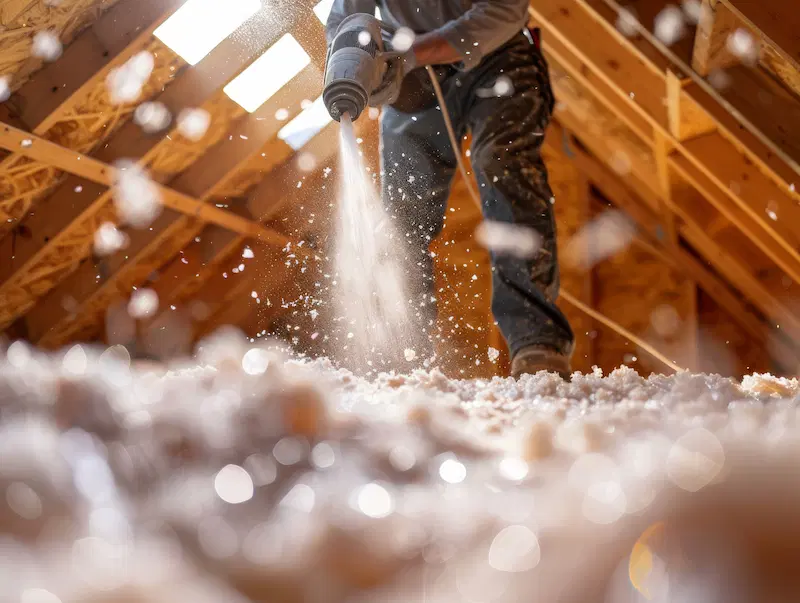
How Does Foam Insulation Work?

Foam insulation creates a thermal barrier and air seal, effectively reducing heat transfer and preventing air leaks.

This is done by expanding and filling cracks and gaps to trap the air. The material has low thermal conductivity.

As the foam expands, it also creates a tight seal and prevents air from circulating to reduce drafts and air leaks.

This helps to maintain consistent temperatures inside the home and lowers energy consumption.

Certain kinds of foam insulation are water-resistant and prevent moisture to stop mould growth.

What are the types of Foam Insulation?

A worker installing foam insulation in a garage

Foam insulation comes in two primary types: spray foam and foam boards. 

Spray foam has 2 categories: open-cell and closed-cell. 

Foam boards include options like polyisocyanurate (polyiso), expanded polystyrene (EPS), and extruded polystyrene (XPS).

Spray Foam Insulation Types to Consider

Foam Board Insulation Types

The most common types of foam board insulation includes Expanded Polystyrene (EPS), Extruded Polystyrene (XPS), and Polyisocyanurate (Polyiso or ISO). 

EPS has low density and is cost-effective while XPS has a higher R-value and comes in green, blue, or pink colours.

Polyisocyanurate, or polyiso for short, boasts the highest R-value in its category, making it the top choice for insulation, especially in roofing applications.

Where is Foam Insulation Used in the Home?

Foam insulation can be used to improve energy efficiency in the following areas in the home:

Which is better – Spray Foam or Foam Board Insulation?

Worker spraying foam insulation inside a cottage

Spray foam is usually considered better than rigid foam board for insulation because of its higher air sealing properties energy efficiency. 

Spray foam can fill even tiny gaps to create an airtight seal. 

Rigid foam board can have gaps between the panels, thus resulting in reduced efficiency. However, rigid foam board is more cost-effective and easier to install in new buildings. 

To help you make the right choice, consider the following:

Spray Foam is ideal if:

Foam Board if:

Spray Foam has a higher cost and requires professional installation.  Rigid Foam Boards, in contrast, are cheaper and can be installed DIY. They have lower R-value and can be prone to moisture if not sealed properly.

Proper foam insulation can lower energy bills by up to 40%.  In the end, the best choice really depends on your budget, needs, and the requirements of your project.

What is R-Value and Its Importance?

R-value is critical for choosing the right insulation for your home. It tells you how well insulation can stop heat transfer. 

By understanding its importance, you can choose the right insulation material for higher energy savings. 

R-value measures insulation’s resistance to heat transfer. It will tell you how effective the insulation type is in maintaining stable indoor temperatures.

This estimation will take into account the type of material, thickness, and density, which are important for determining effectiveness.

R-Value vs Insulation Performance

Higher R-values indicate higher thermal resistance. This means less heat loss in winter and less heat gain in summer. Choosing insulation with the right R-value is crucial for comfort and energy savings.

Consult qualified and reputable insulation contractors in our network to compare insulation materials with high R-value for maximum benefits.

Spray Foam vs Rigid Foam Board: Compare R-Values

A comparison of spray foam and rigid foam board will show you their level of performance:  performance:

Type of Insulation Typical R-Value per Inch Applicable For
Spray Foam 5.5 Roof, walls, attics
Rigid Foam Board 3.8 – 5.0 Basement walls, foundations, exterior applications

How much is Spray Foam Insulation?

The cost to install spray foam insulation varies based on certain factors such as the type of foam, thickness, size, and contractor’s rates.

To help estimate your budget, below is a breakdown for your reference:

Type of Foam Price per Board Foot Price per Square Foot (2” Thickness) Description
Open-Cell $0.45 – $0.70  $1.00 = $1.50 Good for interior walls 
Closed-Cell $1.00 – $1.50 $2.00 – $3.00 Has higher R-value

**Board foot = 1 square foot at 1 inch thickness

What is the average cost per project?

Area Average Cost
Basement (1,000 sq. ft.) $2,000 – $6,000
Attic (1,000 sq. ft.) $3,000 – $7,500
Rim Joists $500 – $2,000
Garage Wall $1,500 – $3,000

You must also take into account several factors when estimating the cost of foam insulation:

To plan your budget, get multiple quotes to compare so you can get the best insulation solutions for your home at the lowest possible price.

Best Foam Insulation Contractors in Canada

Compare top insulation contractors anywhere in Canada

Locating a reputable and experienced foam insulation contractor is critical for maximizing energy efficiency and ensuring value for money.
You will want to ensure a safe installation and long-term performance at a good price.

Here are some popular spray foam insulation companies in Canada offering good customer service, quality installation, and competitive prices.

1. Foam It Canada – Ontario

2. Great Northern Insulation – Ontario

3. Caliber Quality Solutions Alberta

4. EcoComfort Insulation & Contracting Inc. – Greater Toronto Area

5. Thermo Solutions Insulation Inc. – Quebec

6. Eco Spray Insulation – (Canada)

How do you choose the best insulation contractor for your home renovation? You can compare multiple insulation contractors serving your area using our short online form! 

Save time by using one online form to receive FREE and NO-COMMITMENT quotes.

Top FAQS regarding Foam Insulation

Worker cutting insulation foam during installation

As a homeowner, it is essential to know important details about foam insulation before starting project.

We have gathered some popular questions and answers to serve as your guide.

What are the benefits of foam insulation?

Spray foam insulation offers numerous benefits including airtight sealing, draft prevention, and energy savings. You can maintain steady temperatures inside your home with efficient foam insulation.

Foam insulation also serves as a moisture barrier to prevent mildew and mould. You will surely experience more comfort in the home and enjoy lower energy bills.

Is spray foam insulation cost-effective?

Spray foam insulation provides multiple benefits. With proper installation, you can observe an immediate reduction of your HVAC system.  If you use a closed cell foam insulation, you won’t require a vapor barrier.\

How long does spray foam insulation last?

You will be happy to know that spray foam installation can last for decades with proper installation. Unlike other insulation materials, spray foam does not lose its R-value as time goes by.
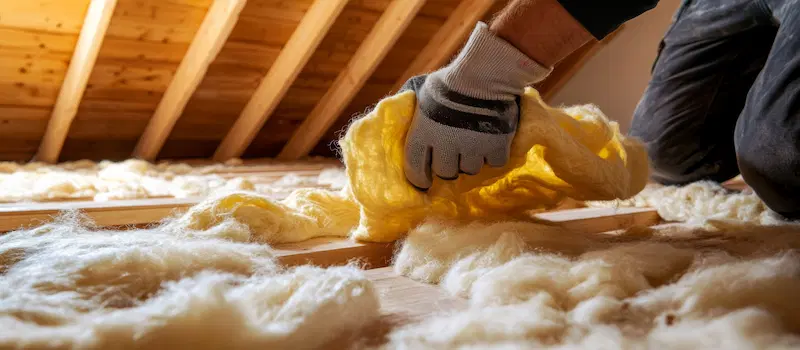
For this reason, choose the right foam insulation contractor to do the work in your home to get maximum durability.
Can I do Spray Foam Insulation as a DIY Project?

The application of Spray Foam Insulation requires proper training and equipment.  Although DIY kits can be found in some stores, it is better handled by professionals.

You can cause damage to your property or waste resources by installing it yourself. If you want to save money, find the best price for spray foam insulation by comparing multiple quotes from our network. 

What are some of the benefits of using foam board insulation?

Foam board insulation is easier to install than spray foam, making it more suitable for DIY projects. They are also lightweight and durable and cost less than spray foam.

Do you have other questions that are not covered by these FAQS? The best thing to do is to connect with our insulation partners who will be happy to send you FREE quotes to compare. They can also answer questions about your insulation needs in more detail.

Tips When Choosing your Insulation Contractor

The insulation of your home is very important to your comfort as well as the cost of heating and cooling your home.

Unless you are an expert at construction, you may have the mistaken belief that all insulation materials and contractors are the same. The truth is they are not.

For this reason, it is important to compare multiple contractors to choose the right one who will deliver high-performance insulation for your home at the right price!

Don’t hire just any contractor to do the work without first verifying their certifications, insurance, and experience. Most importantly, request multiple quotes for comparison so you don’t overpay for your project.

Get started by filling out the short online form below to receive FREE QUOTES from our reputable insulation partners.