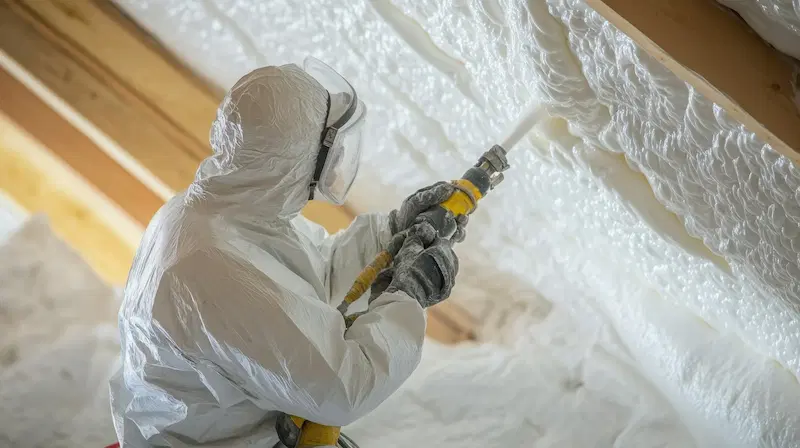
Urethane insulation, spray foam in particular, is a popular choice among Canadians due to its outstanding insulation properties and longevity.
It improves indoor air quality and energy efficiency with continuous insulation without joints.
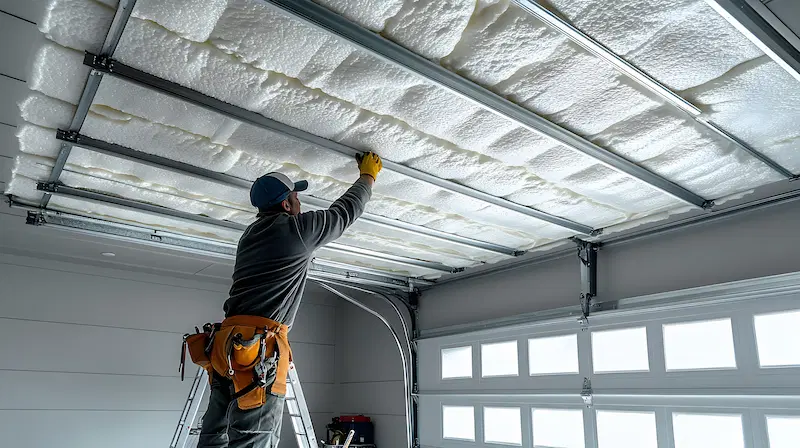
Its R-value, usually 6 per inch, serves effectively as a thermal barrier to minimize heat loss and heat gain. This leads to significant savings in energy throughout the year.
If you are looking to improve your home’s insulation, spray foam insulation is a great choice. It lasts for decades and helps you save money over time.
Compare free and no-obligation quotes for urethane insulation today from our reliable partner contractors near you.
Signs you need to upgrade to Urethane Insulation
A few factors can signal it is time for you to consider upgrading your home’s insulation to urethane or spray foam insulation.
High Energy Bills:
Are your energy bills increasing constantly? Your home insulation may not have adequate thermal resistance.
Moisture or Pest Damage
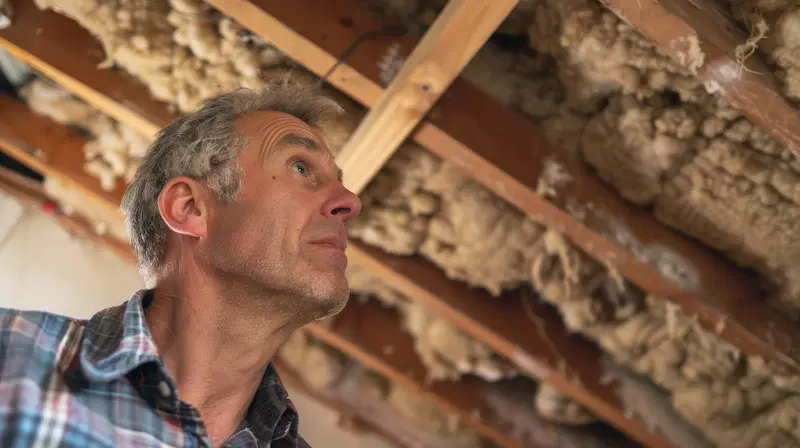
If your current insulation shows moisture or damage from pests, you may want to consider upgrading to urethane insulation.
Mould and mildew in the walls or attic are clear signs of moisture problems and poor insulation.
Constant HVAC Running
If your air conditioner or furnace is constantly running to maintain comfortable temperatures in the home, the insulation is probably not performing well.
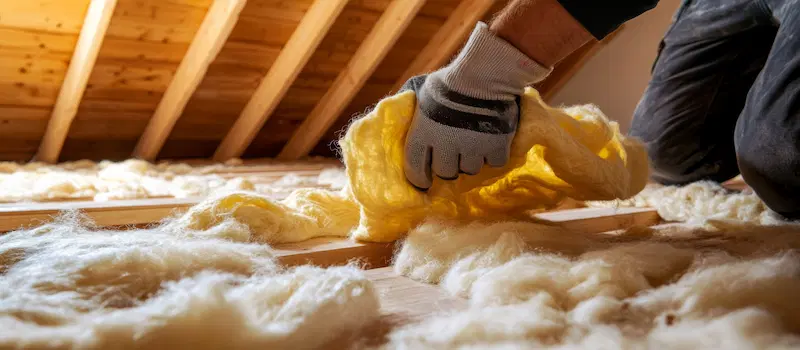
Deterioration of Existing Insulation
Sagging or compressed insulation no longer provides good thermal resistance. If you see these signs, you should consider upgrading the insulation of the home.
Schedule an inspection
Conducting regular inspections of the condition of your home insulation will inform you when the time comes that an upgrade is necessary.
The Advantages of Choosing Urethane Insulation
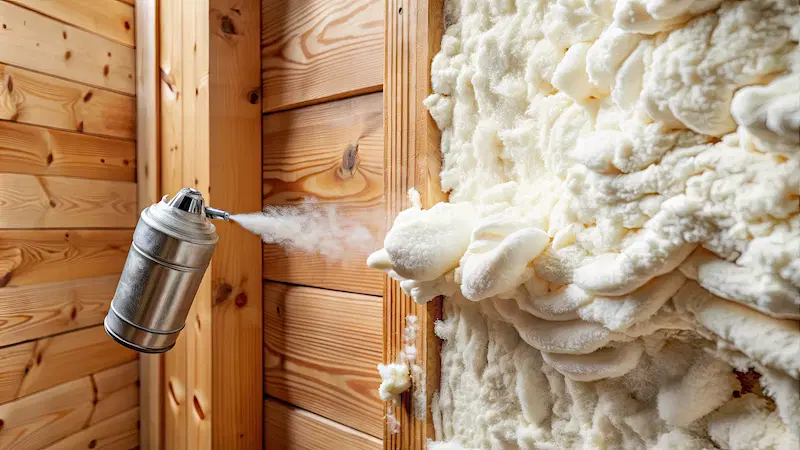
Urethane insulation has one of the highest R-values per inch among the insulation materials available, making it suitable to Canada’s extreme climate conditions.
Consider the following benefits of urethane insulation for your home:
- Its R-Value is usually 6 to 7 per inch for high-quality thermal resistance.
- Acts as an insulator and air sealant simultaneously, thus preventing drafts and humidity problems.
- Lasts for decades because it does not sag or settle even after many years.
- Reduces noise in homes near busy streets.
- Resists water penetration and prevents mould formation.
In Canada, where crawl spaces and basements have potential problems with moisture, urethane insulation is ideal as it acts as a vapour barrier.
Installing urethane insulation in the home is a long-term investment that pays off due to increased comfort and energy savings.
The Disadvantages of Urethane Insulation
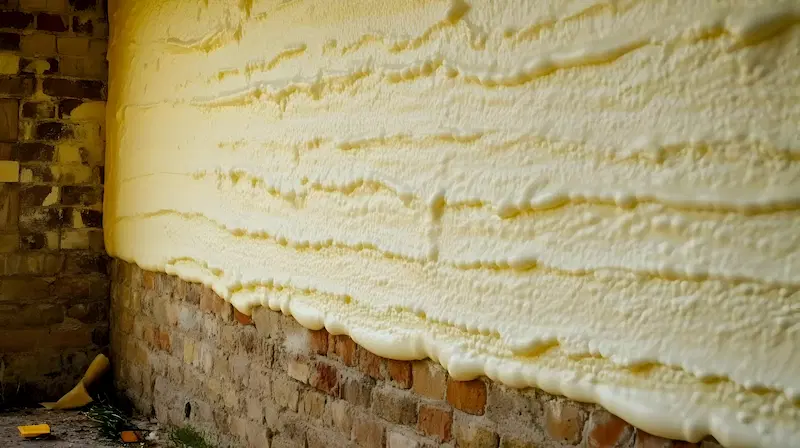
We have just presented the numerous advantages of installing urethane insulation in the home. Does it have any disadvantages?
- Its higher cost compared to other insulation materials is its primary disadvantage.
- It also requires installation by professionals. It is not a DIY project because it needs specialized equipment and carries safety hazards.
- If it is not properly cured, it can release volatile organic compounds (VOCs), which can be harmful to your health.
- It is not environment-friendly as it contains petroleum-based chemicals
- Spray foam is permanent. If you renovate the home in the future that needs walls or ceilings to be opened, it will be costly and difficult.
- Some roof warranties can be voided unless spray foam is properly documented, as it can affect the heat transfer of the roof.
Considering these pros and cons, is spray foam insulation worth it? Yes, it is, specifically for its durability and energy efficiency.
The upfront cost can be higher, but the improved property value and energy savings in the long term make it a worthwhile investment.
Compare the pros and cons and weigh them based on your budget, needs, and future plans. You can receive free quotes from our partner insulation contractors by filling out our short online form!
Comparison of Urethane Insulation vs Other Insulation Materials
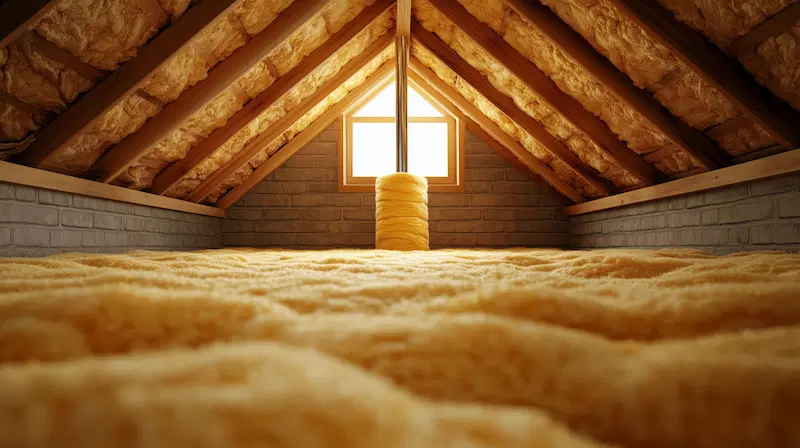
Compare the qualities and cost of urethane insulation versus other insulation materials so you can make the best choice.
Characteristic | Urethane | Fiberglass Batts | Cellulose (Blown-in) | Rigid Foam Panels |
R-Value (per inch) | 6.0 – 7.0 | 2.9 – 3.8 | 3.2 – 3.8 | 4.0 – 6.0 |
Air Sealing | Excellent | Poor | Moderate | Good |
Moisture Resistance | Good | Low | Low | Good |
Soundproofing | Very good | Poor | Moderate | Moderate |
| Lifespan | 20-80 years | 10-25 years | 20-30 years | 30-50 years |
| Installation | Professional | DIY or professional | Blown-in, professional installation is recommended | DIY or professional (cut and fit) |
Cost per sq. ft. | $3 – $7 | $0.70 – $1.50 | $1.50 – $2.50 | $2 – $4 |
Sustainability | Mixed, depending on the type) | Mixed with recycled options | With recycled content | Depends on the brand |
Resistance to fire | Treated options available | Can melt or burn | Requires fire retardant | Some types are flame-resistant |
Cons | More expensive | Lower R-value | Messy and settles over time | Difficult to install in narrow spaces |
Do you see the significant benefits of urethane insulation? Get expert advice and compare your options using free quotes from our reliable partners.
How do Professionals Install Urethane Insulation?
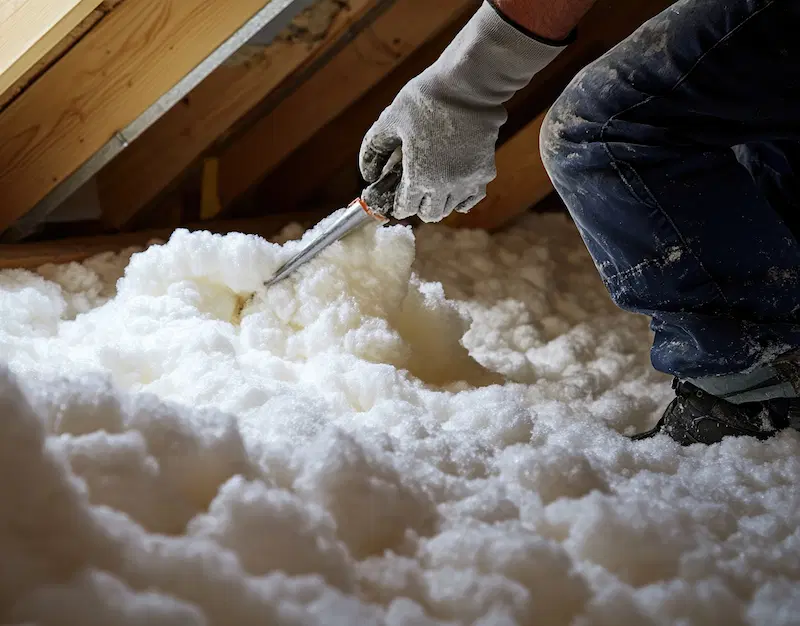
Professional urethane installation is a specialized process that involves applying liquid foam that expands and cures to become an insulation layer.
It can be done in existing homes or new construction. It also comes in 2 types – closed-cell and open-cell.
Open-cell foam is typically used as an air sealant and insulation, whereas closed-cell foam acts as a moisture barrier.
Take a look at how professionals install urethane insulation in steps:
Step 1: Preparation
The target area is cleaned and loose materials and debris will be removed. Protective coverings are placed in surrounding areas to shield them from overspray. Good ventilation is essential to safe and efficient curing.
Step 2: Application
In open-cell foam, the material is sprayed into wall cavities and other spaces for desired air sealing. It is also applied from the inside or outside of a wall, with or with no insulation.
In closed-cell foam, the material is sprayed on exterior surfaces like the roof or wall so it can act as a moisture barrier and insulator. It can be combined with other insulation materials.
Professionals have specialized equipment to apply the foam thoroughly for complete coverage and efficient air sealing.
Step 3: Curing and Finishing:
The foam expands and cures to form a solid insulating layer within a few hours. Excess foam is trimmed for a professional quality finish. Good ventilation is maintained during this stage and after per local building codes or as recommended by the manufacturer.
Spray foam should be installed by professionals who have the proper equipment and training to perform the work in compliance with local building and safety codes.
Hire an experienced contractor near you from our vast network by filling out the short online form on this page.
What is the Cost and ROI of Urethane Insulation?
If you are considering urethane insulation for your property, it is important to fully understand the financial aspects of this project upfront and in the long term.
Upfront Costs
Urethane insulation is more expensive than other insulation materials. The initial cost will be based on the type and thickness of the foam, the size of the area, and the fees of the contractor.
Typically, open-cell foam insulation costs from $0.45 to $0.70 per sq. ft. while closed-cell foam ranges from $1 to $1.50 per sq. ft. A 500-square-foot area will cost around $1,000 for open-cell foam and up to $3,000 for closed-cell foam.
Savings over Time
While the upfront cost is higher, energy savings over time are significant. Urethane insulation can decrease energy bills by as much as 30% a year because of its superior thermal resistance. It also increases the structural integrity of your home and improves indoor air quality.
These benefits can all add up to significant savings in the long term. Most homeowners can recover the upfront costs through energy savings within 3 to 5 years.
Urethane Insulation Installation & Health Risks
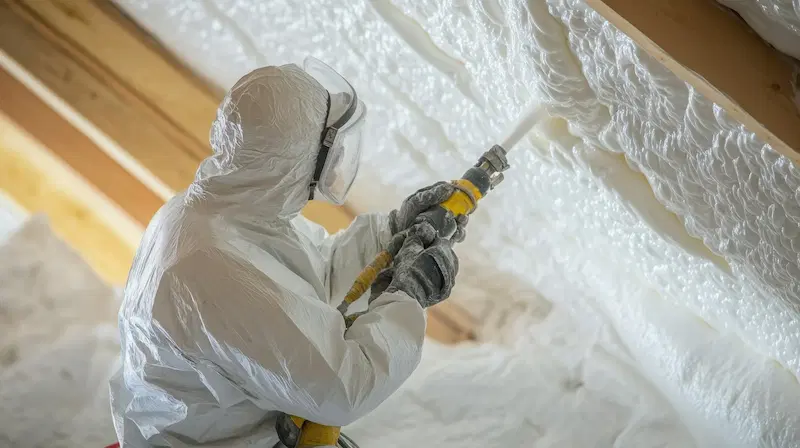
You need to leave your home while urethane insulation is being installed and for a certain period after. The chemicals and fumes pose health risks.
Professionals will tell you to stay away for at least 24 hours to ensure proper curing of the foam and ventilation.
As you can imagine, DIY urethane insulation installation can be risky to your health and safety. We highly recommend hiring the right contractors to do the work for you.
Insulation Contractors Can Help with Energy Rebates
You could qualify for homeowner energy rebates and grants to save money on upgrades that improve the energy efficiency of your home.
Insulation contractors are familiar with available rebates you can qualify for and will help you meet the required criteria for these rebates.
For instance, Ontario’s 2025 rebate program is available to homeowners who want to upgrade energy efficiency. The home must be a primary residence in Ontario with proof of ownership.
Vacation homes and rental properties are excluded.
In Quebec, the Renoclimat Program and Hydro-Québec LogisVert Program offer financial assistance for insulation work.
An energy home audit is usually required before and after the work is completed.
How to Choose the Right Urethane Insulation Contractor
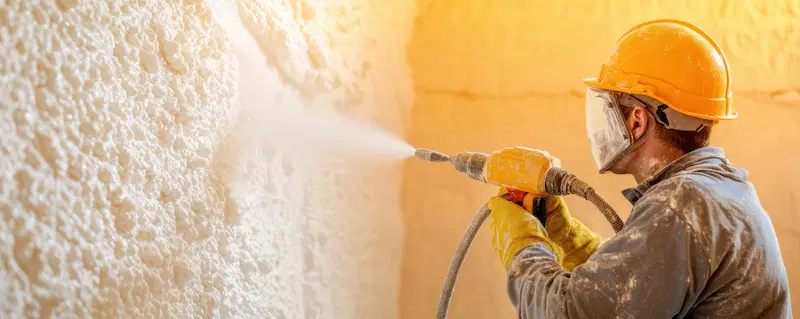
Before hiring a urethane insulation contractor, you can check if they are certified, licensed, and carry the proper insurance.
In Ontario, the Building Code prohibits unlicensed individuals from applying spray foam insulation in the home.
You should ask a contractor the following before the start of your project:
- Do I need to do any upgrades first?
- What is the best type of insulation for my home?
- What is the estimated cost of this upgrade?
- Can I qualify for any energy rebates?
- Do you guarantee the work, and what are these guarantees?
Canadian-made insulation materials are available; ask your contractor for his recommendations.
Compare and choose the best contractors near you using our short online form today! These free and no-obligation quotes can help you save money on your home insulation project.