



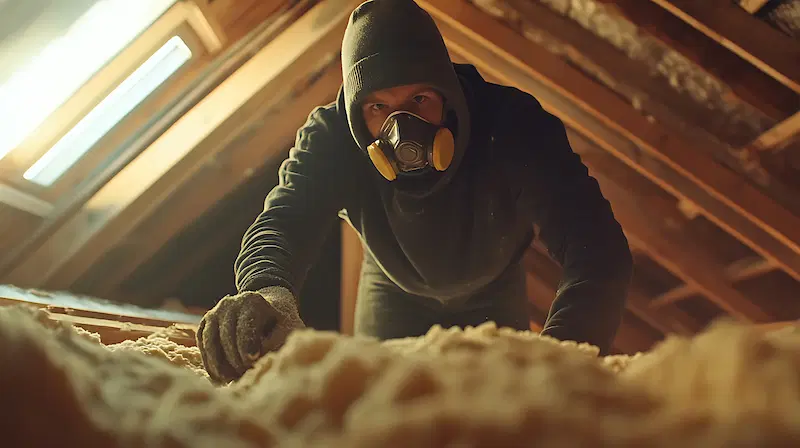
If you own a home in Alberta and want to enhance your home’s comfort and energy efficiency, adding more insulation to your attic is a project worth considering.
To start planning an attic insulation project, you will want to know the cost and your best options.
On average, attic insulation in Alberta costs between CAD $1.50 and $4.00 per square foot, depending on the type of insulation, attic size, and the work required. That means a typical 1,000 sq. ft. attic will cost around $1,500 to $4,000, while a larger or more complex space can reach $6,000 to $8,000 or more if old insulation must be removed or higher R-values are targeted.
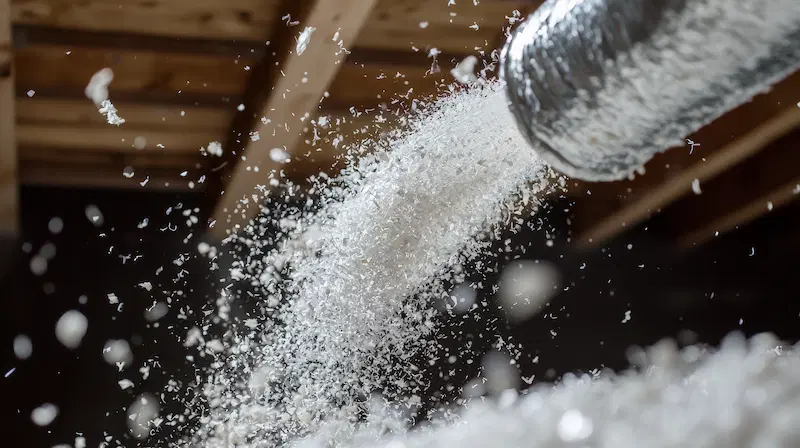
That’s the quick answer. But several factors determine where your home will fall within that range. In this guide, we will explain the factors that affect insulation costs in Alberta, the most common material available, and how to get free insulation quotes to compare prices. This understanding will help you to select the appropriate materials and confidently plan your budget.
Use the short online form on this page to receive FREE QUOTES and connect with reputable insulation contractors in your area.
Why Insulate Your Attic in Alberta?
Alberta’s winters are long and harsh, with frigid nights that can quickly affect a home with inadequate insulation. Significant heat escapes through the roof, especially when the attic is not properly insulated. Here’s why upgrading your insulation matters:
- Energy efficiency: Up to 25% of your home’s heat can be lost through the attic. Insulating properly helps reduce that loss and keeps warm air where it belongs—inside.
- Lower heating bills: By reducing heat loss, your furnace doesn’t have to work as hard, which can lower monthly energy costs.
- Comfort: A properly-insulated attic makes rooms warmer in winter and cooler in summer.
- Moisture control: Proper insulation and ventilation help prevent condensation and mould growth.
- Home value: Buyers increasingly look for energy-efficient upgrades when house shopping.
Considering Alberta’s extreme weather conditions, upgrading your attic’s insulation will be one of the smartest home improvements you can make.
Signs You Need New Attic Insulation
Are you unsure if you even need insulation? Look out for these signs:
- The upstairs rooms feel warmer in summer and colder in winter than the rest of the house
- Drafty or cold bedrooms
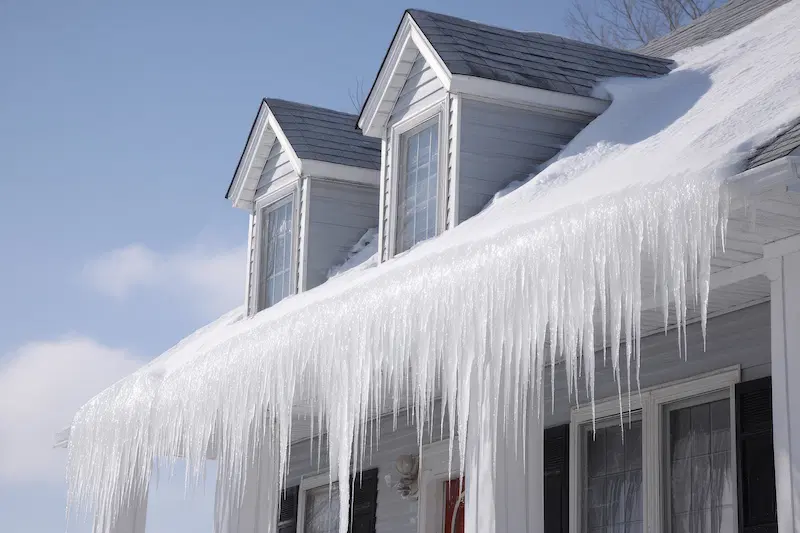
- Ice dams on your roof in winter
- High heating bills despite moderate use
- Visible attic floor joists or the insulation looks less than 10–12 inches thick
- Signs of moisture – water stains, damp spots, or a musty smell in the attic can mean heat is escaping and causing condensation.
If you recognize several of these signs, it’s time to get your attic inspected. Most companies offer a free inspection to give you a detailed and accurate quote.
Understanding R-Values for Alberta’s Climate
In cold regions like Alberta, the attic’s R-value (thermal resistance) is crucial. The higher the R-value, the better the insulation.
Here’s what the National Building Code of Canada and energy experts generally recommend:
Zone | Recommended R-Value | Equivalent in Inches |
Alberta (Zone 7) | R-50 to R-60 | ~16–20 in of blown-in insulation |
If your current attic has R-20 or R-30, which is typically found in older homes, improving your attic insulation can significantly improve efficiency. Most contractors aim for R-60 in new installations for higher energy efficiency.
Types of Attic Insulation in Alberta to Consider
Alberta homeowners can choose from several materials for attic insulation— each with its own cost, performance, and energy efficiency benefits.
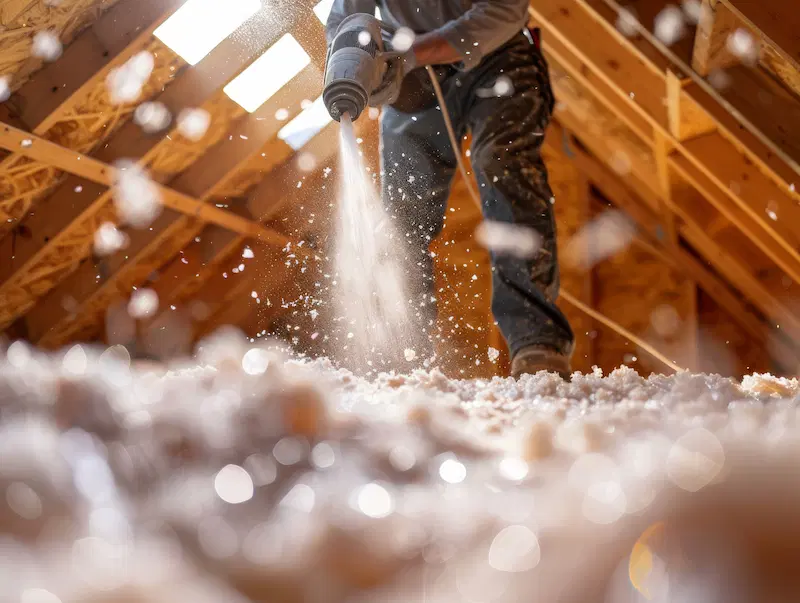
The right option depends on your budget, attic layout, and your existing insulation. Here’s a quick look at the most common types used across the province.
1. Blown-In Cellulose
- Made from recycled paper treated with fire retardants.
- Great coverage and affordability.
- Ideal for topping up existing insulation.
- Cost: $1.50 – $2.50 per sq. ft.
2. Blown-In Fibreglass
- Lightweight, non-combustible glass fibres.
- Slightly higher cost, but doesn’t absorb moisture like cellulose.
- Cost: $1.75 – $3.00 per sq. ft.
3. Spray Foam (Closed-Cell or Open-Cell)
- Expands to seal gaps and cracks, providing air and a vapour barrier.
- Highest R-value per inch, excellent air sealing.
- Best for complex attics or moisture-prone areas.
- Cost: $3.00 – $5.00+ per sq. ft.
4. Fibreglass or Mineral Wool Batts
- Pre-cut panels are laid between joists.
- Works best for new builds or easily accessible attics.
- Risk of gaps if not installed carefully.
- Cost: $1.25 – $2.50 per sq. ft. (possible DIY project)
Choosing the ideal type of insulation for your attic will depend on your budget, desired R-value, and if air sealing is your priority.
You can compare FREE QUOTES from our insulation partners to find the best attic insulation that meets your priorities and budget.
Typical Costs of Attic Insulation in Alberta
Before diving into the details of materials and labour, it is advisable to understand the average costs that most Alberta homeowners pay for attic insulation.
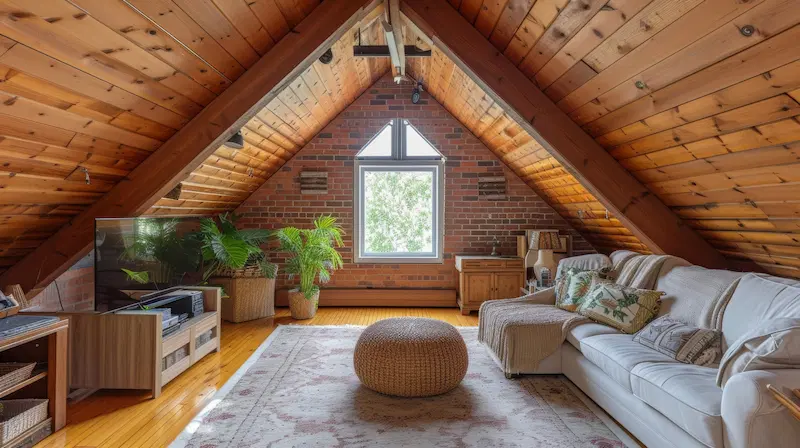
Costs can vary widely depending on the size of your attic, accessibility, and the type of insulation used, but clear patterns based on real project data can be used to make an estimate. Below is an overview of the typical prices you can expect when insulating an attic in Alberta, whether you are upgrading or installing insulation for the first time.
- Low range: $1.50 – $2.00 per sq. ft. (simple top-ups with blown-in fibreglass or cellulose)
- Mid-range: $2.00 – $3.00 per sq. ft. (moderate prep and higher R-value target)
- High range: $3.50 – $4.00+ per sq. ft. (spray foam, removal, sealing, complex attics)
Based on these average prices, you can expect to pay
- 1,000 sq. ft. attic → $1,500 – $4,000
- 1,500 sq. ft. attic → $2,250 – $6,000
- 2,000 sq. ft. attic → $3,000 – $8,000+
These prices include both materials and labour. For small attics, some contractors have minimum service charges ranging from $1,500 to $2,000, which can impact smaller projects.
Average Project Timeline
Most insulation contractors can complete attic insulation in half a day to two days, depending on the scope of the work:
TYPE OF PROJECT | TIMELINE / DURATION |
Simple insulation upgrade or installation | 4 to 6 hours |
Full replacement | 1 to 2 days |
Spray Foam Installation | 1 to 3 days (with prep and curing time) |
Professional installers use specialized blowers or foam rigs to get even coverage and clean results.
Cost vs. Comfort: Long-term Benefits
Good insulation is more than just an energy upgrade. It’s about your comfort all year round. Homeowners who insulate their attics say that they experience the following benefits:
- Fewer drafts and cold spots
- Warmer upstairs bedrooms in winter
- Cooler spaces in summer
- Quieter rooms (bonus soundproofing effect)
- More stable indoor temperatures day and night
Since insulation is mostly maintenance-free, it is a home improvement that will last for a long time and provide long-term benefits that pay off with time.
DIY vs. Hiring a Professional
Now that you know the average cost of attic insulation, you may be wondering if you can save more money with a DIY installation.
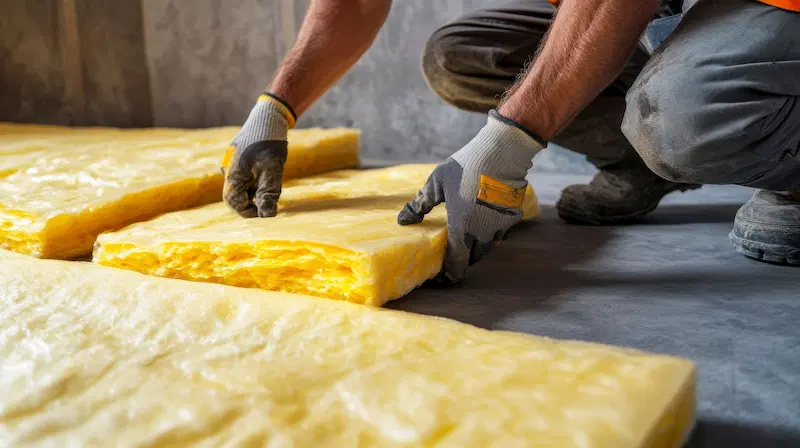
You can buy insulation from a home improvement store and rent a blower, but DIY insulation has its limits. Consider the following pros and cons of a DIY project vs. hiring a professional.
Factor | DIY Insulation | Professional Insulation |
Average Cost | $1.00 – $2.50 per sq. ft. (materials only) | $1.50 – $4.00+ per sq. ft. (materials + labour) |
Tools & Equipment | Must be rented or purchased (blower, safety gear, ladders) | Provided by insulation contractors |
Skill Level Required | Moderate to high; requires knowledge of prep and installation processes. | Handled entirely by trained professionals |
Duration | 1–2 full days for an average attic. | 3 to 6 hours |
Quality & Coverage | Possibly uneven or with gaps if not done properly | Even and consistent coverage with an optimal R-value |
Safety Risks | Risk of falls, exposure to insulation fibres, and electrical hazards | Contractors follow safety protocols and use protective gear |
Warranty & Guarantee | None – homeowner assumes all responsibility | Usually includes workmanship and product warranty. |
Impact on Energy Efficiency | Varies – may not meet energy rebate standards | Usually meets or exceeds efficiency and rebate requirements. |
Best For | Skilled homeowners on a tight budget. | Homeowners who seek long-term performance and peace of mind |
Ultimately, the choice between DIY and professional insulation comes down to your priorities.
If you are comfortable with tools and have a simple attic, a DIY approach may be suitable. However, if you want guaranteed results, effective air sealing, and insulation that meets Alberta’s energy efficiency standards, hiring a professional installer is worth the extra cost — especially with the potential energy savings and rebates available.
Which Option Is Better for Alberta Homeowners?
What Rebates and Incentives are available in Alberta?
As of 2025, some energy efficiency programs still provide funding for insulation upgrades, though availability changes. You can check:
- Canada Greener Homes Grant – may offer up to $5,000 for insulation improvements.
- Local utility rebates – sometimes available through municipalities or energy providers.
- Tax credits – some homeowners can claim upgrades under energy-efficiency improvements.
Your contractor can help you identify active rebates and handle the paperwork — a great reason to get our free quote service to connect with the best insulation professionals near you.
Getting the Best Value for Your Attic Insulation in Alberta
Upgrading your attic insulation is one of the most cost-effective ways to improve your home’s comfort and energy efficiency, especially in Alberta’s cold, fluctuating climate.
If your goal is long-term savings and consistent warmth year-round, professional insulation often provides the best return on investment. You can get expert installation, proper air sealing, and insulation that meets the latest R-value standards, all of which can significantly reduce heating bills and qualify you for government rebates.
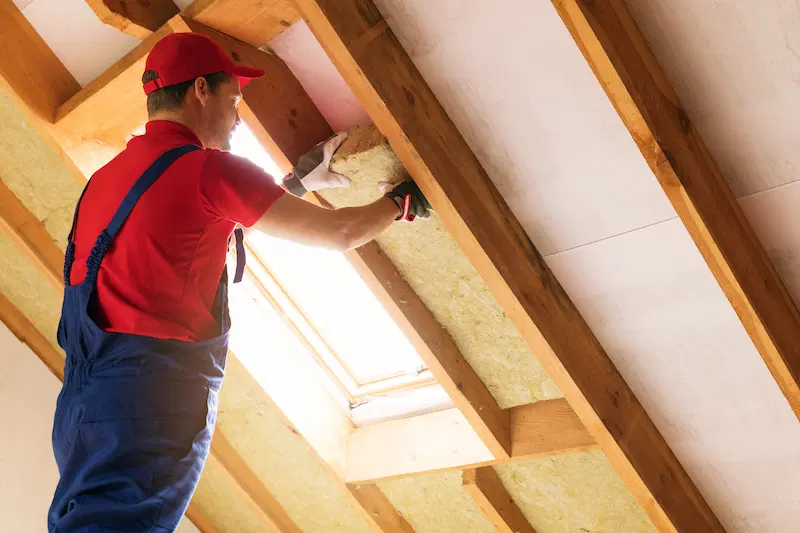
Before starting your project, it’s wise to compare free insulation quotes from local contractors. That way, you can find out exactly what fits your budget and ensure that you are getting the best deal possible for your home.
Insulating your attic is not merely an upgrade; it is a valuable investment in your home’s comfort and efficiency, providing peace of mind for years to come.
Please fill out the online form on this page to start planning your insulation project with competitive quotes at no charge or obligation.